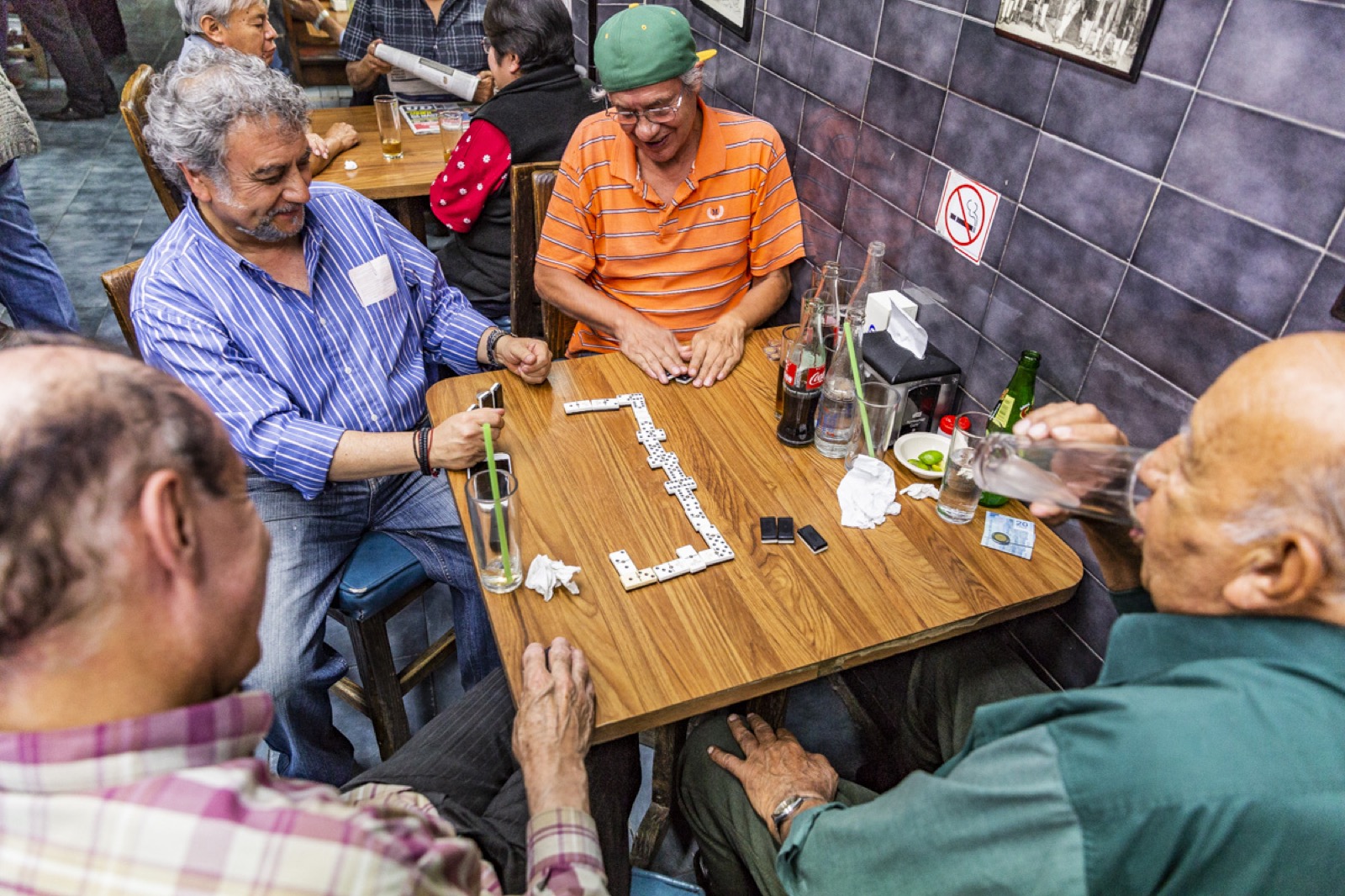
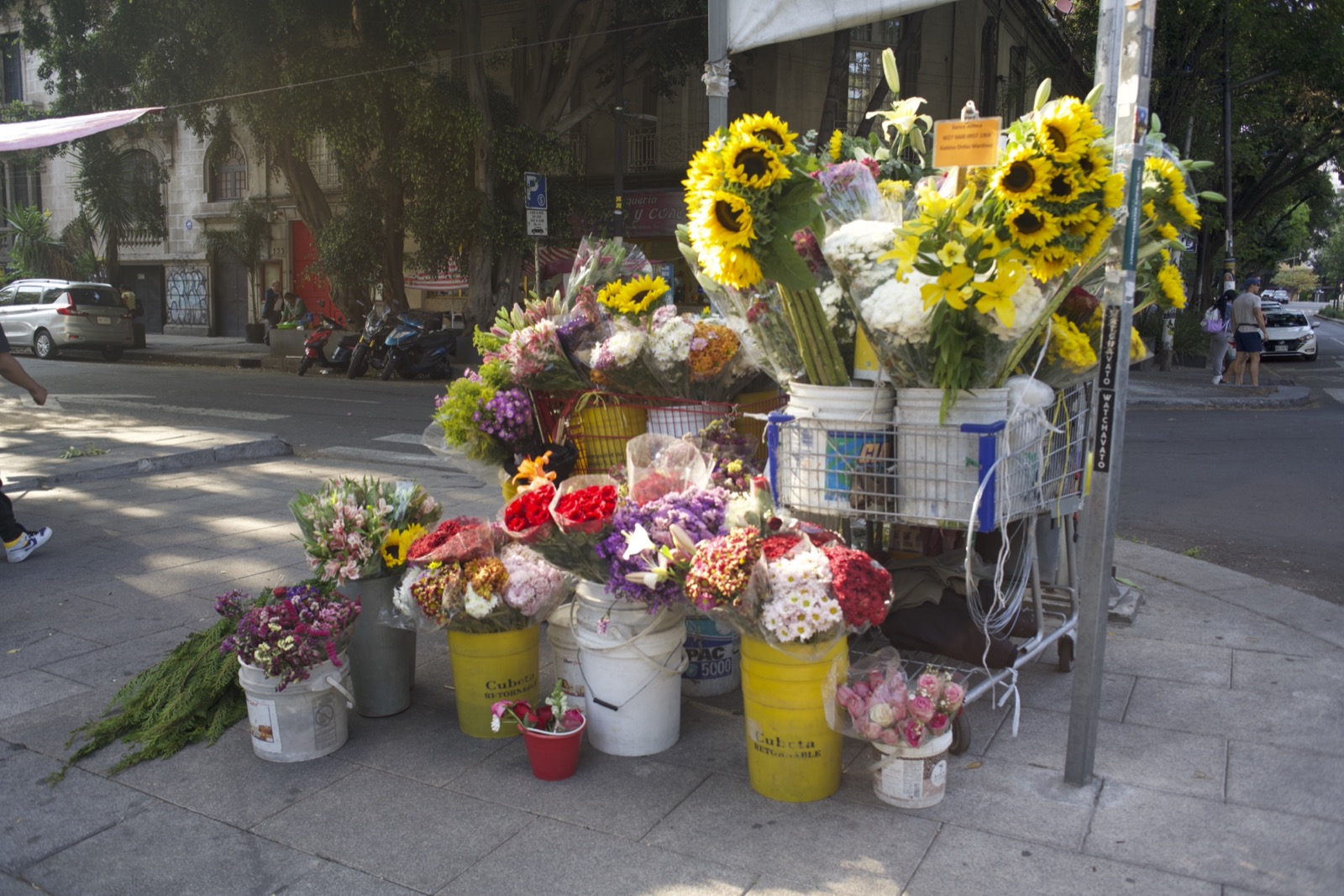
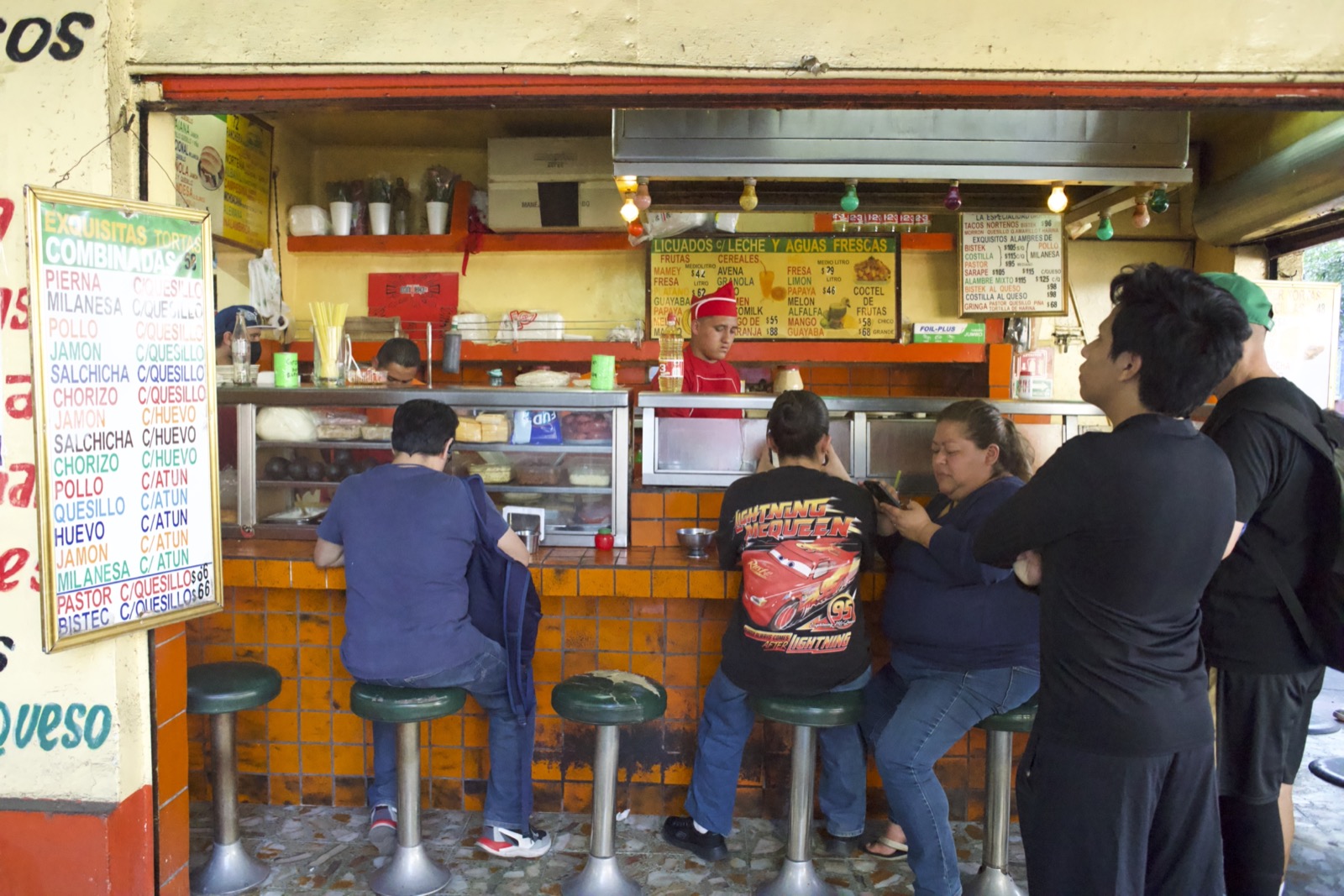
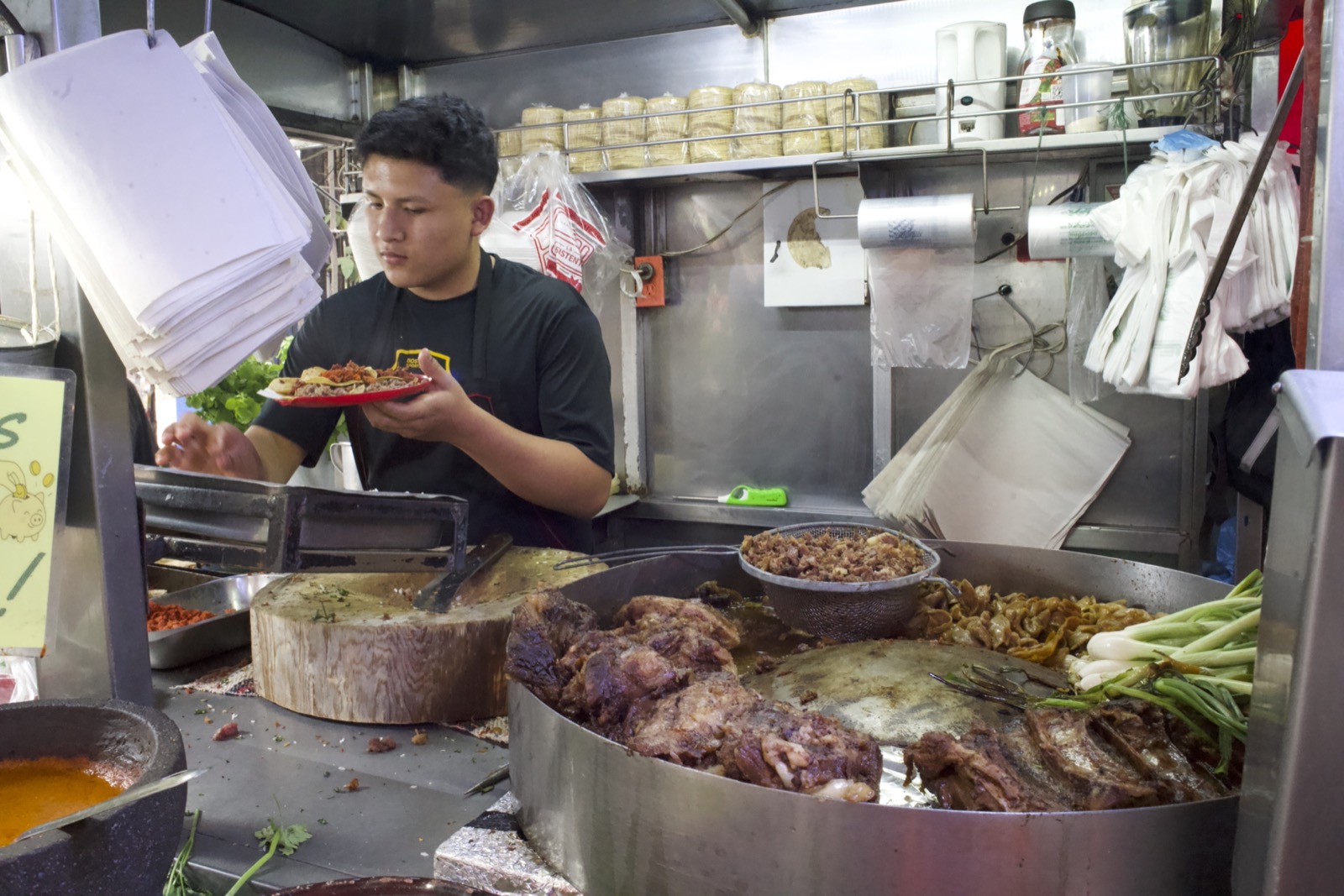
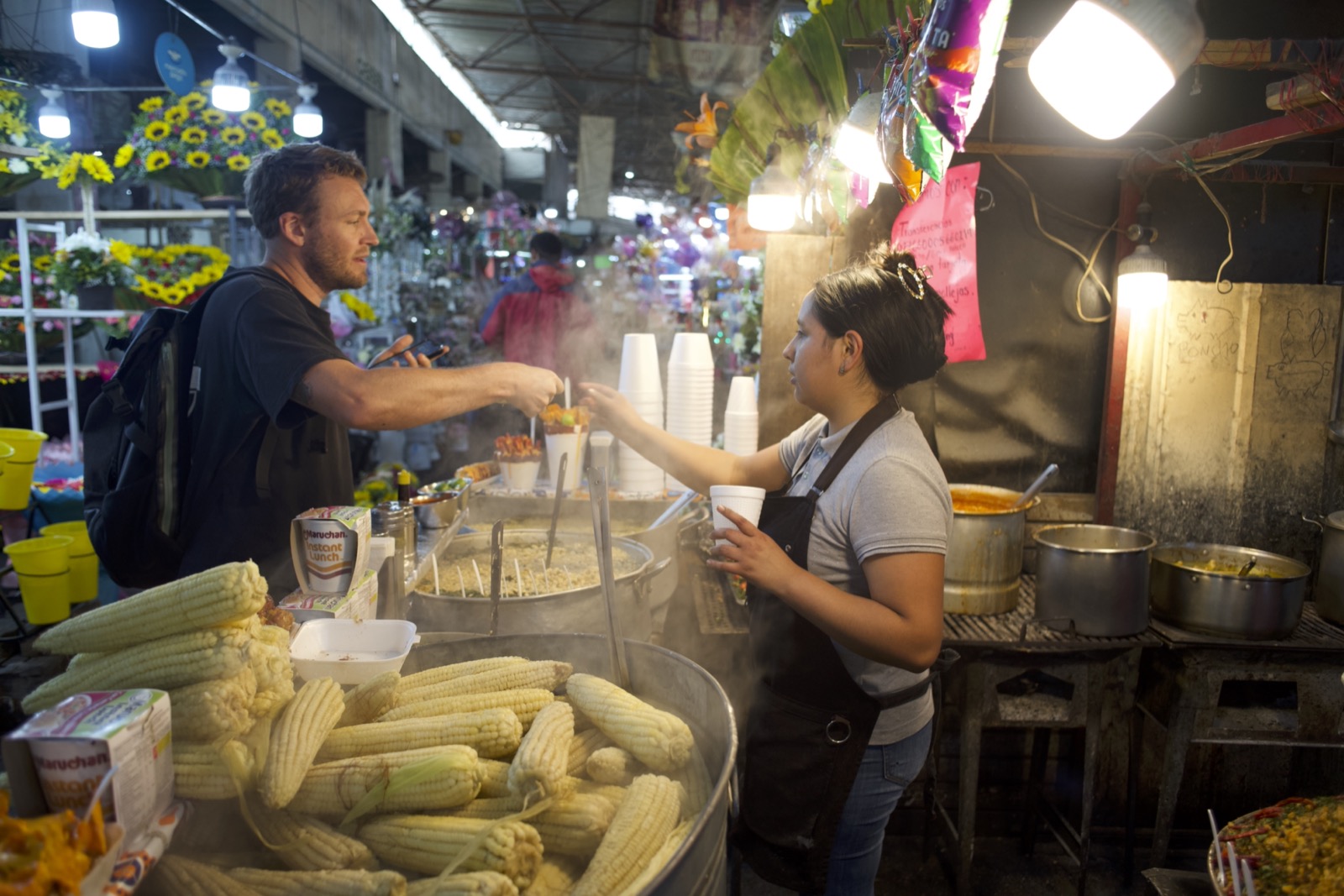
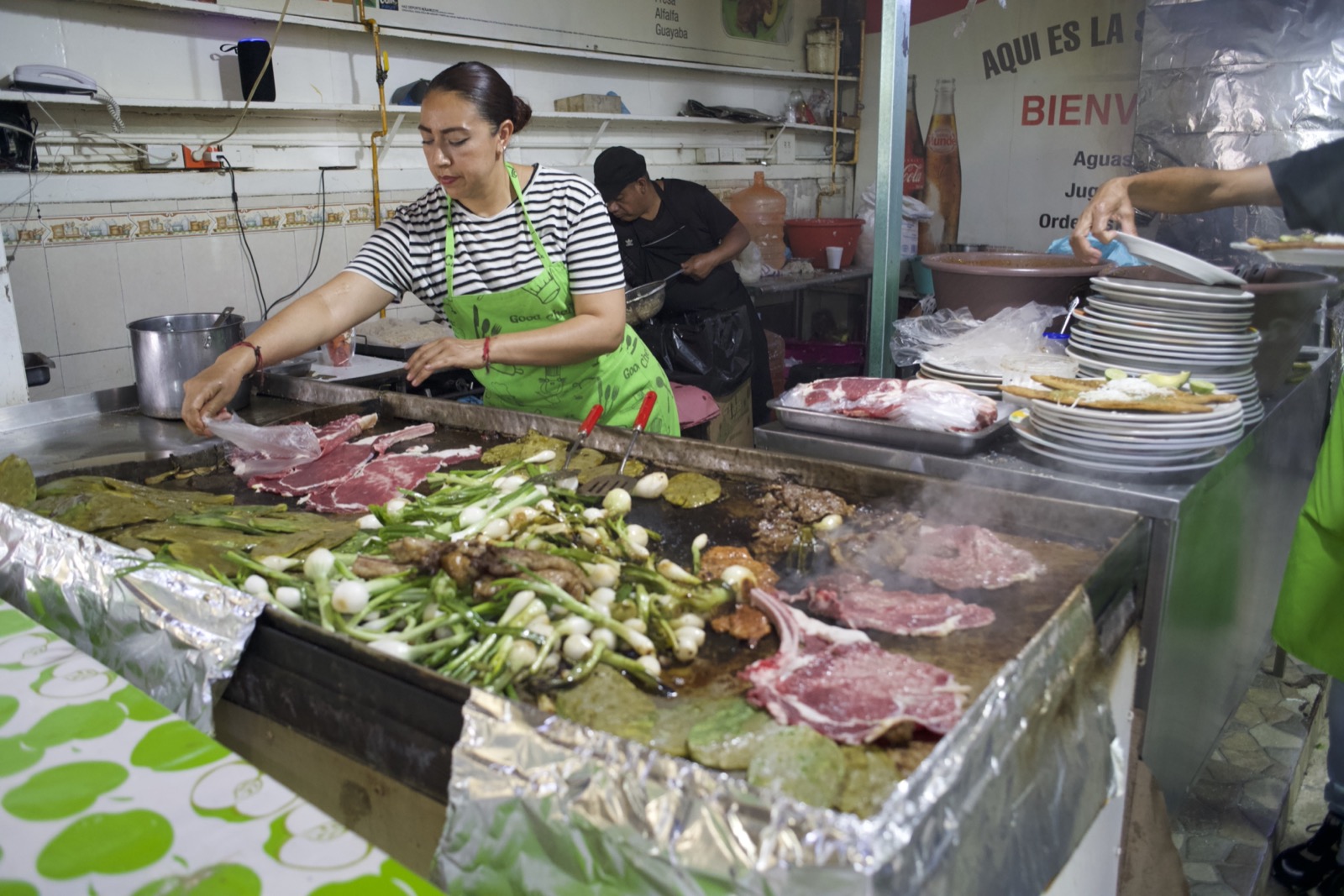
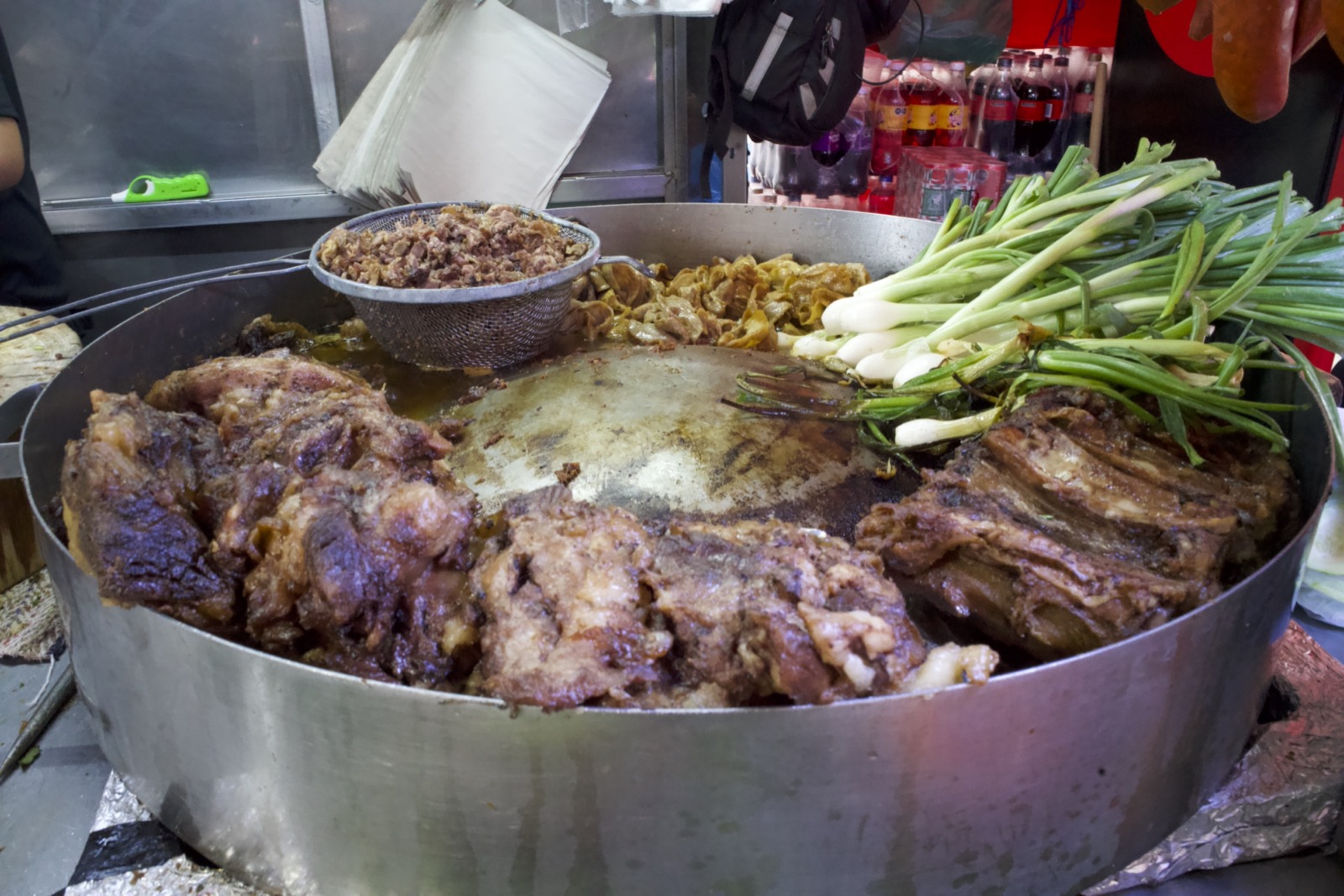
Private culinary experiences in Mexico City and across the country. Food, history, architecture, people. No detours. No scripts. No performance.
CDMX day tours✦Veracruz✦Michoacán✦Hidalgo✦Private groups✦5-hour expeditions✦Multi-day trips✦Commissioned Work✦CDMX day tours✦Veracruz✦Michoacán✦Hidalgo✦Private groups✦5-hour expeditions✦Multi-day trips✦Commissioned Work✦
Pulque
Azulejos
Lucha
The territory
01 · Grease & Glory
San Rafael · Guerrero
02 · Deep South
Xochimilco · Coyoacán
03 · The Stomach
La Merced · Doctores
04 · Inland Seafood Empire
Polanco · Roma · Condesa
05 · The Long Diagonal
Norte a Sur · Full city
06 · Where the Map Ends
La Magdalena Contreras · Ajusco
Click any zone to explore
CDMX · Beyond Roma & Condesa
01
Grease & Glory
5 6 hrs · San Rafael · Santa María · Guerrero · 1 9 guests · Walking
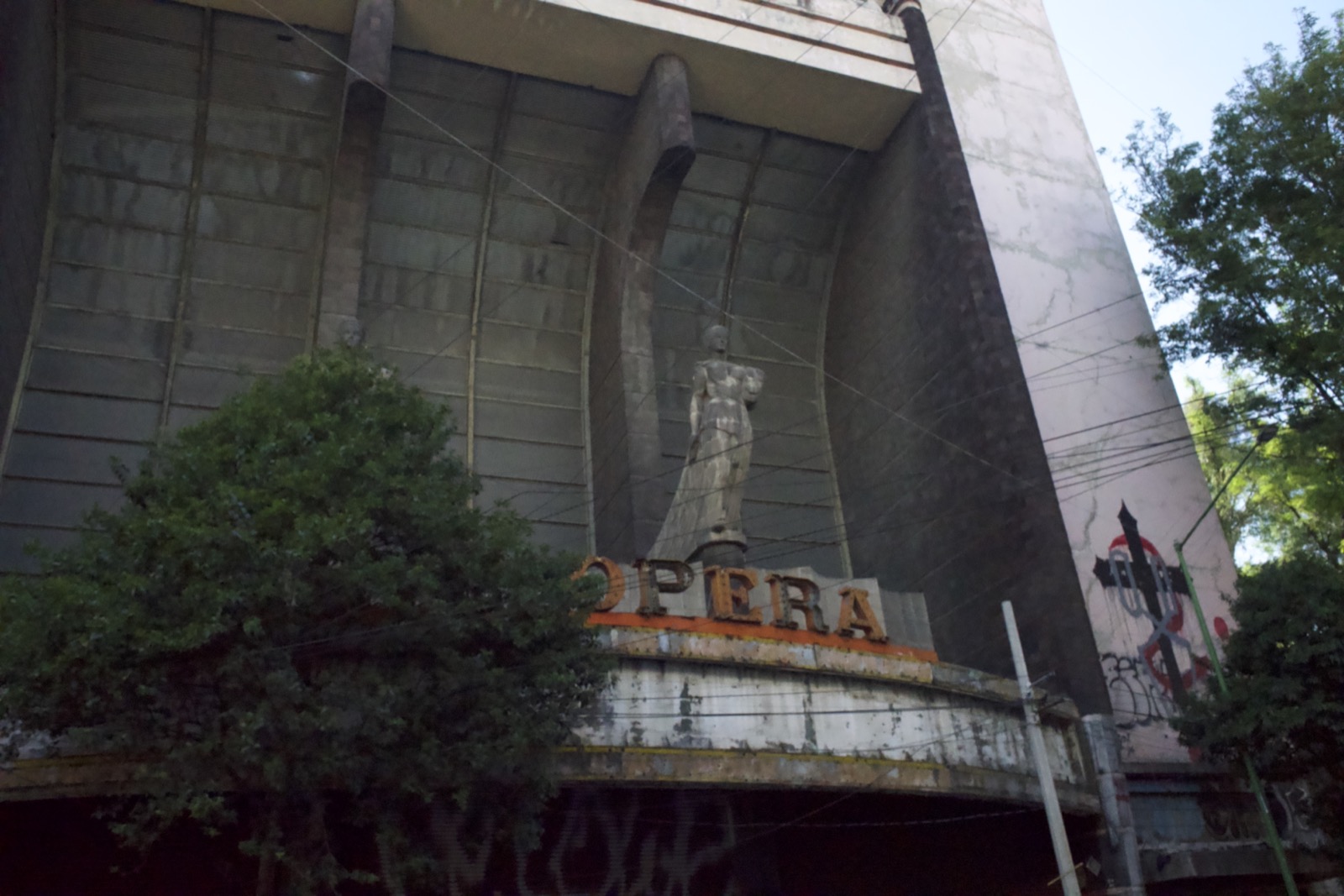
The north that nobody takes you to. Faded mansions, legendary tacos made by northern wrestlers, the best suadero in the city. Come hungry and surrender.
02
Deep South
5 6 hrs · Xochimilco · UNAM · Coyoacán · Chimalistac · 2 9 guests · Private transport
The city before the city. Ancient canals, volcanic stone, Xochimilco, UNAM, Coyoacán, Chimalistac, San Ángel. Three layers of the same city, eaten in order.
Before Pujol, before Contramar, before anything with a reservation, they pass through La Merced. A maze of legendary characters, smells, sounds and flavors. Not a gentrified experience. We come here to meet and talk with the people behind the great capital machine.
04
Inland Seafood Empire
6 7 hrs · Narvarte · Doctores · Roma · Condesa · Polanco · 2 9 guests · Private transport
CDMX is the seafood capital of a country with two oceans, without having either one. You'll see why: we'll cover the full spectrum between very different flavors of the sea and all kinds of drinks to match.
05
The Long Diagonal
Full day · Private · Norte a Sur · Sprinter · 2 9 guests · Private sprinter
One day, one city, from top to bottom. A curated melting pot of everything this infinite city can fit into a single day. No two versions are the same.
06
Where the Map Ends
Full day · La Magdalena Contreras · Ajusco · 2 9 guests · Private transport
The village inside the city that the city forgot. Tamales at dawn, pulque in the callejones, then up into the forest at 3,000 meters. Quesadillas in the pines. Back down before dark for one last round.
The destinations
72 Hours CDMX
Hidalgo
Veracruz
Michoacán
Yucatán
Sonora
Baja California
Oaxaca
Guadalajara
Monterrey
Click any state
Multi-day trips
Mexico City · Immersion
72 Hours CDMX
3 days
Three days inside the city with people who actually live here. Markets, cantinas, architecture. No hotel package.
From $1,650 / person→
Mexico · Gulf Coast
Veracruz
4 days
Sierra, jungle, coast. Coffee country, son jarocho, and three centuries of undocumented fusion.
From $2,200 / person→
Mexico · Pacific
Michoacán
4 days
The only Mexican cuisine recognized by UNESCO. Butterfly-net fishermen, tamales that exist nowhere else.
From $1,900 / person→
Mexico · High Desert
Hidalgo
2 days
The state that starts where CDMX ends. A canyon nobody photographed, caves on foot, a foodway the bad roads kept intact.
From $1,050 / person→
Mexico · Sierra · Valleys · Coast
Oaxaca
7 days
Three Oaxacas that barely resemble each other. Cloud forest, valley markets, mole, mezcal, fishing villages, waves.
From $3,400 / person→
Mexico · Yucatán Peninsula
Yucatán
5 days
A peninsula that doesn't share a cuisine with the rest of Mexico. Cochinita, cenotes, poc-chuc, fresh fish in Progreso.
From $2,100 / person→
Mexico · Northwest
Sonora
4 days
The state that invented carne asada. Flour tortillas done right, oysters from the Sea of Cortés, desert and ocean at the same table.
From $1,750 / person→
Mexico · Baja California
Baja
4 days
Tijuana invented the Caesar salad and the fish taco. Ensenada has sea urchin and wine. The Pacific is right there.
From $1,650 / person→
Mexico · Jalisco
72 Horas Guadalajara
3 days
Tortas ahogadas at dawn, birria before it was a trend, cantinas where mariachi is a conversation not a show.
From $950 / person→
Mexico · Nuevo León
72 Horas Monterrey
3 days
Cabrito, carne asada with its own argument, michelada culture that runs by different rules. Most food travelers skip it.
From $890 / person→
Visual stories
Quetzalcóatl
El Dux
Tortas
Pulque
Sanborns
Lucha Libre
Chapulines
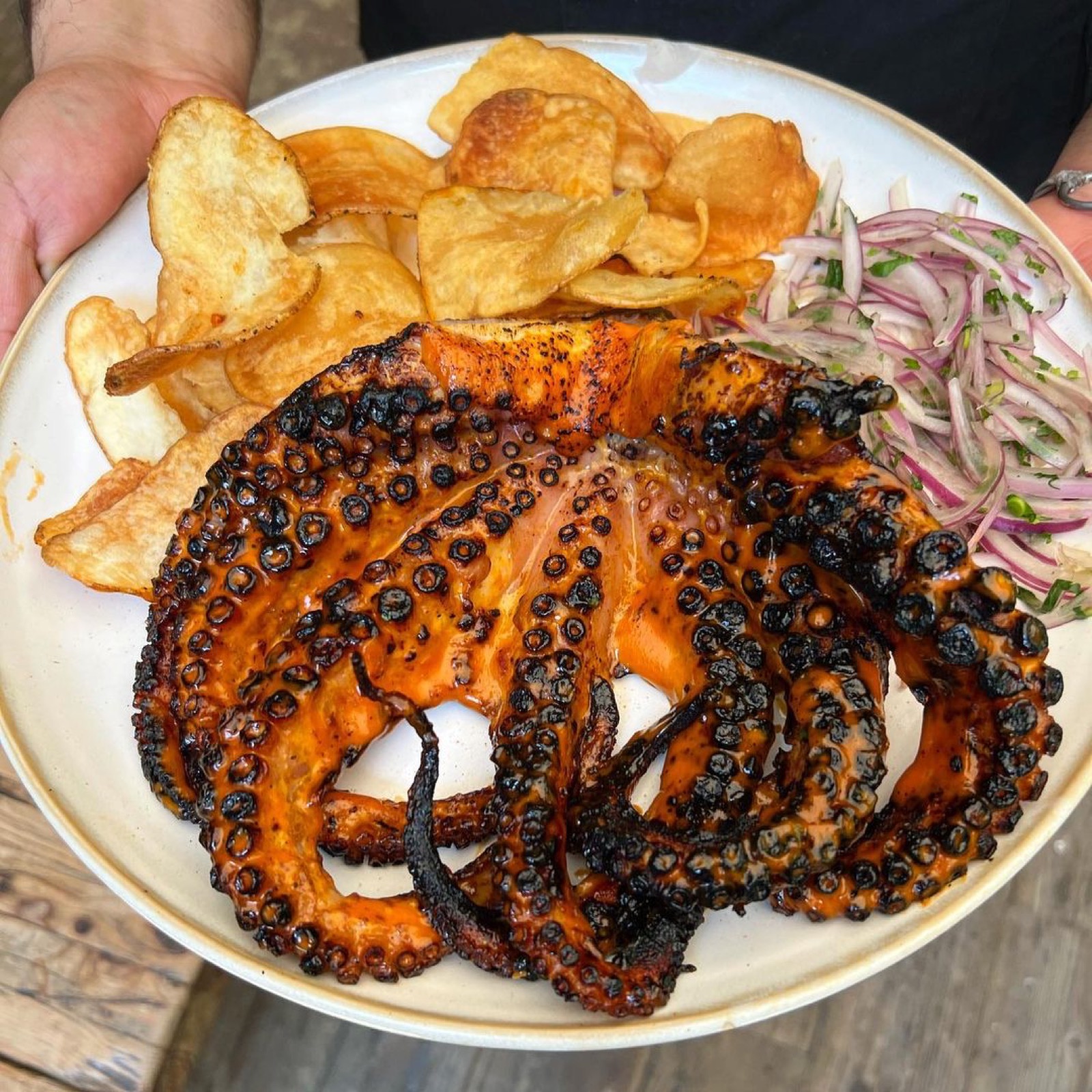
Pulpo
Pulques
Chalcatzingo
La Marquesa
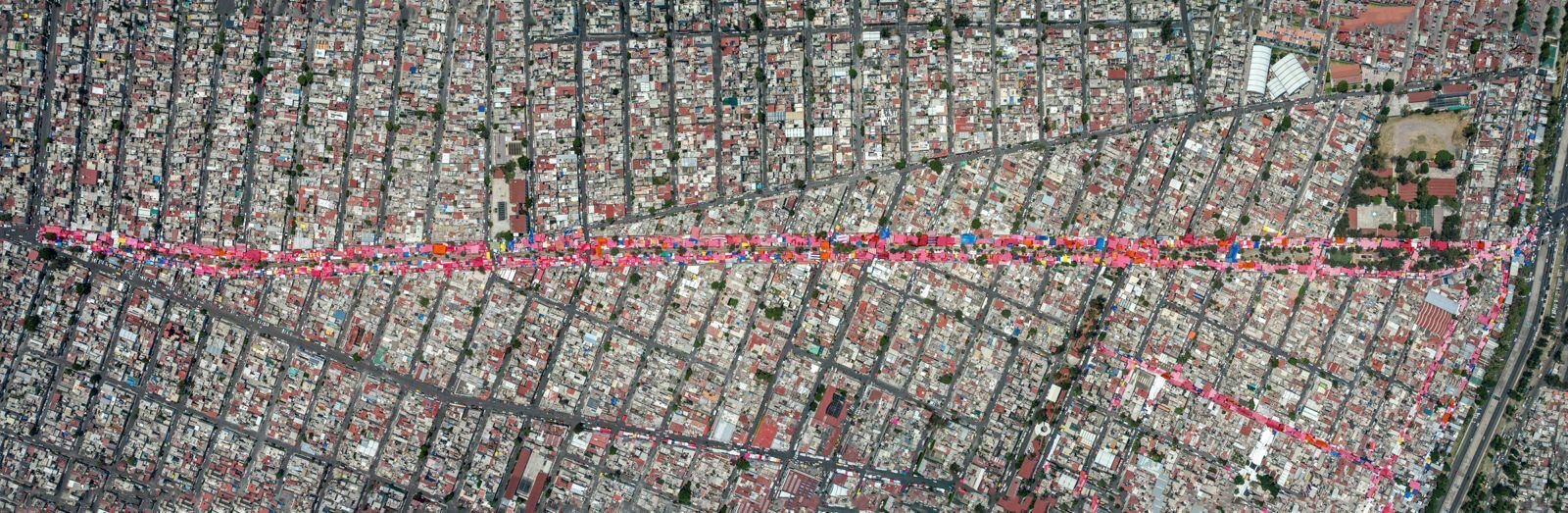
CDMX
Dominó
Chiconcuac
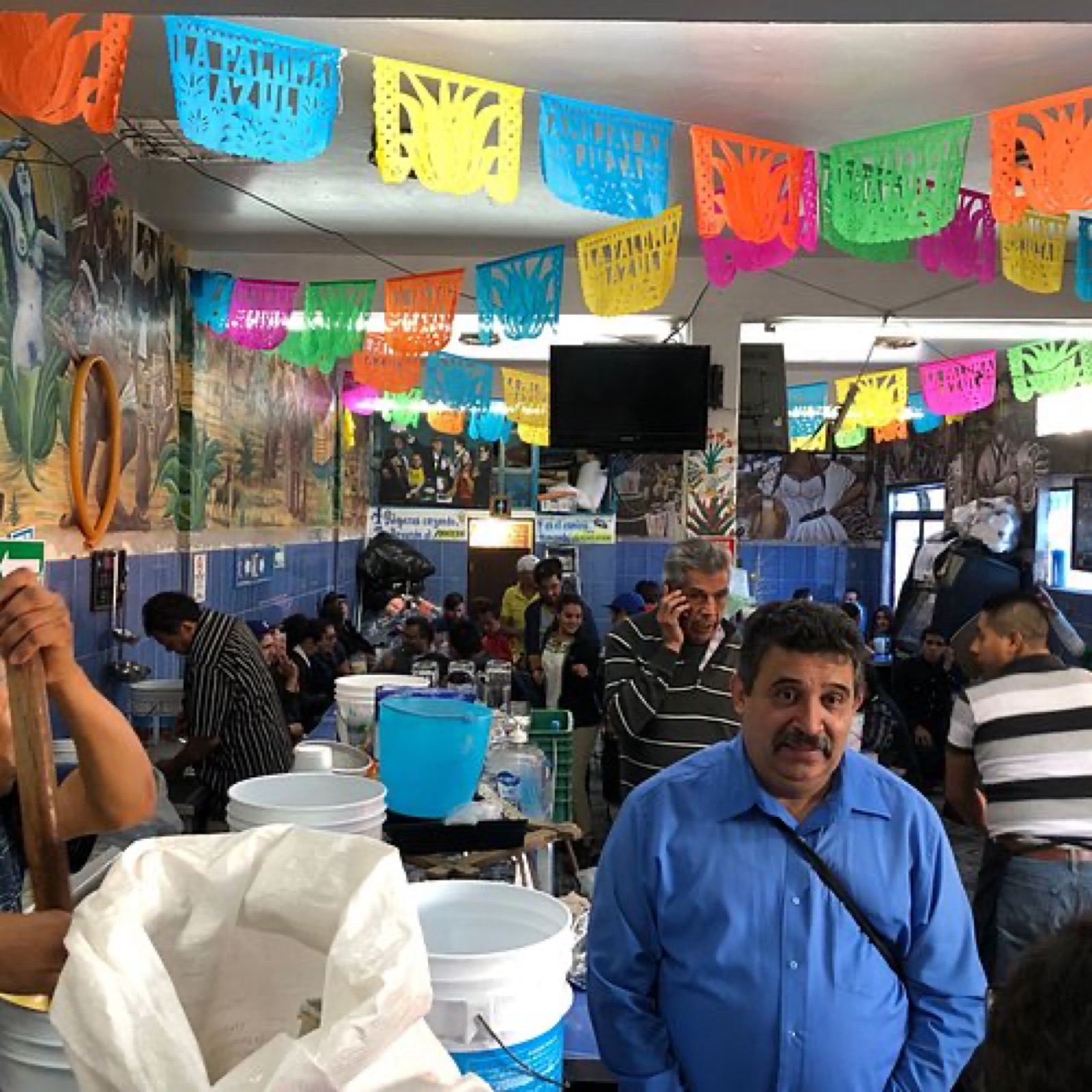
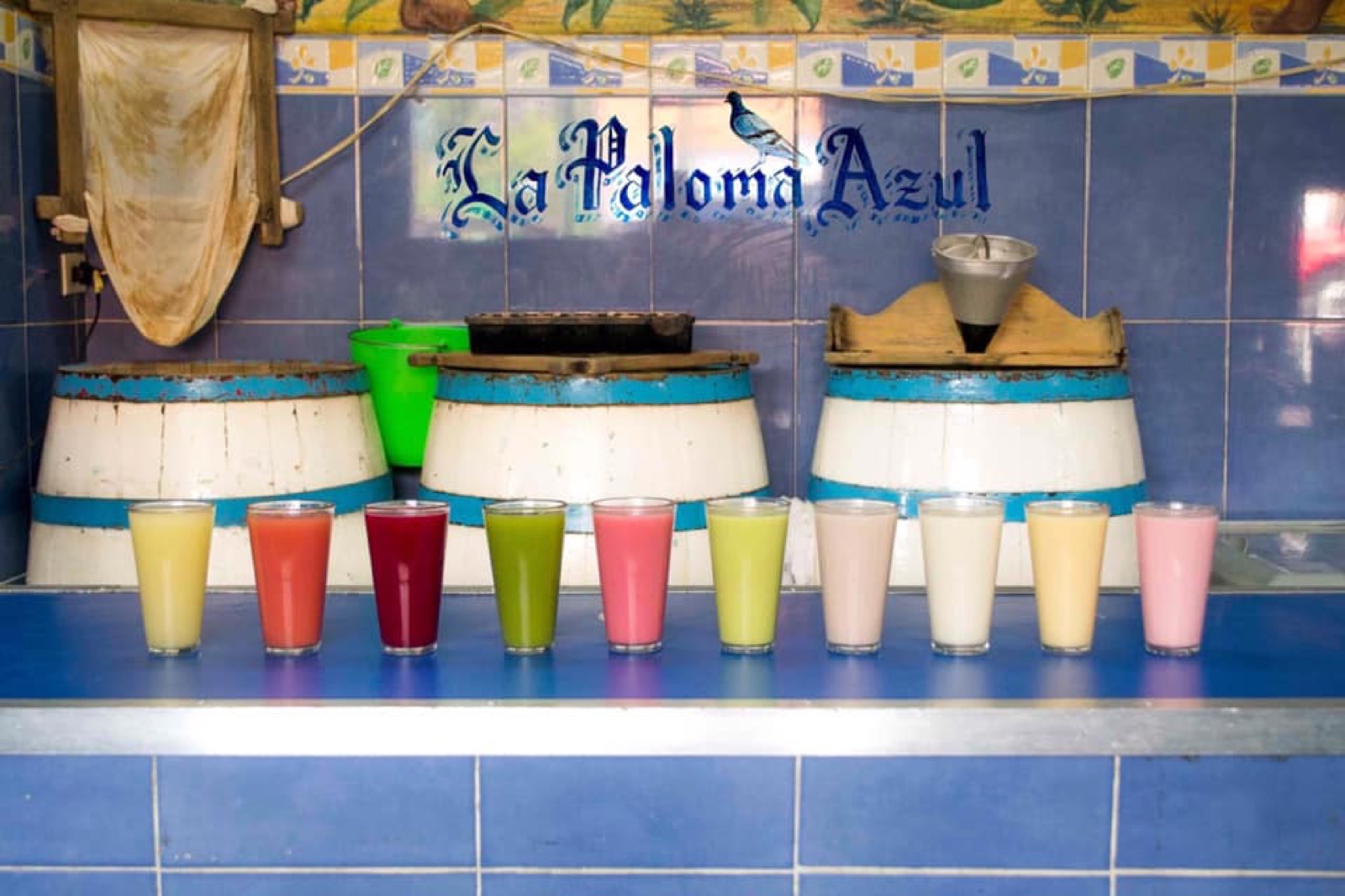
Paloma Azul
15
Destinations
50+
Food Stops
4
States
∞
Stories
We trained within the industry. Now we do our own field work. We know where the flavor is and who the industry keeps sending you away from.
"We didn't invent the food tour. We just came up with something better."
Most food tourism in Mexico City paints the same caricature: Roma, Condesa, tacos al pastor, one cantina, done. It's not wrong it's just incomplete. The city has 22 million people and centuries of layered history, and almost none of it is inside that two-neighborhood radius.
Beyond that, not everything is unsafe. Not everything is unsanitary. Not everything needs a warning label. What it needs is context and people who actually know where they're going and why.
CIA operates across the whole city and across the country. We go where the food is, where the stories are, and where nobody thought to take you yet.
We operate in anti-Michelin territory. Mexico City has more flavor in one market corridor than most cities have in their Michelin guide. We know where it is. It doesn't have a reservation system.
The guide
The CDMX Taco Atlas
A field guide to the real taco landscape of Mexico City. Zone by zone, stall by stall. With an ethics guide, a socioeconomic map, and zero tolerance for neon signs. Written by the people who run these tours.
Included free with any tour booking
What's inside
10 Commandments of La Banqueta
The ethics of eating as a tourist
Zone-by-zone taco atlas 9 neighborhoods
Socioeconomic taco map
The informal economy chapter
Nightlife evolution & digital disruption
PDF · 132 pages
Private · Custom · Your group · Your pace
Off-script.
Not every experience fits a template. Tell us where you want to eat, how many people, how long, how much. We'll design the tour around that. No fixed route, no script just a private day built entirely around your group.
Could be anything
A single neighborhood, eaten properly
A full-day route we design from scratch
A mix of two tours into one
Something we've never done before
Your idea, our city
private events · global travel
Commissioned Work
We don't just guide. We produce. The Studio is where we come to you your dinner, your event, your festival curated, designed, and executed from start to finish. The chefs, the venue, the music, the transport, the sound. We handle the logistics. You handle the guests.
From intimate rooftop dinners to full-scale culinary experiences for agencies and groups. Tell us what you're dreaming, and we'll build it.
◈
Chef Curation
From street cooks to Michelin stars
◈
Venue Sourcing
Rooftops, cantinas, hidden spaces
◈
Full Logistics
Transport, sound, staff, timing
◈
Catering
For agencies & large groups
"Have an idea? We have the network. Let's talk."
CDMX · Day tours
01
Grease & Glory
5–6 hrs · Morning · San Rafael · Guerrero
The north nobody takes you to. Faded mansions, wrestling legends, the best suadero in the city.
02
Deep South
5–6 hrs · Morning · Xochimilco · Coyoacán
The city before the city. Ancient canals, volcanic stone, three layers of the same city eaten in order.
03
The Stomach
5–6 hrs · Morning · La Merced · Doctores
Where the ingredients come from. Before they reach any restaurant in the city, they pass through here.
04
Inland Seafood Empire
5 hrs · Afternoon · Polanco · Juárez · Roma
CDMX: the seafood capital of a country with two oceans. Full spectrum, every drink to match.
05
The Long Diagonal
Full day · Private · Norte a Sur · Sprinter
One day, one city, top to bottom. Architecture that shouldn't exist and everything in between.
06
Where the Map Ends
Full day · La Magdalena Contreras · Ajusco
The village the city forgot. Tamales at dawn, pulque in the callejones, quesadillas at 3,000m.
Mexico · Viajes
Mexico City · Immersion
72 Hours CDMX
3 days · Hotel included
Three days inside Mexico City with people who actually live here. Markets, architecture, cantinas, food from every corner.
Mexico · High Desert
Hidalgo
2 days · Hotel included
The state that begins where CDMX ends. A canyon no one has photographed seriously, and a foodway that survived because the roads were too bad to ruin it.
Mexico · Gulf Coast
Veracruz
4 days · Hotel included
Sierra, jungle, coast. Where coffee arrived, where son jarocho was born. African, indigenous and French influences that merged without documentation.
Mexico · Pacific
Michoacán
4 days · Hotel included
The only Mexican cuisine recognized by UNESCO. Butterfly net fishermen, tamales that don't exist anywhere else.
Mexico · Sierra · Valleys · Coast
Oaxaca
7 days · Hotel included
Seven days across three Oaxacas. Cloud forest, valley markets, mole and mezcal. Then the coast.
Mexico · Yucatán Peninsula
Yucatán
5 days · Hotel included
A peninsula that doesn't share a cuisine with the rest of Mexico. Polcanes, cochinita, cenotes, Valladolid cantinas.
Mexico · Northwest
Sonora
4 days · Hotel included
The state that invented carne asada. Butcher culture, flour tortillas, oysters from the Sea of Cortés. Desert, ocean, cattle country.
Mexico · Baja California
Baja
4 days · Hotel included
Tijuana: one of the most underrated food cities in North America. South to Ensenada for sea urchin, abalone, and wines that supply half of Mexico's best restaurants.
Mexico · Jalisco
72 Hours Guadalajara
3 days · Hotel included
Tortas ahogadas at dawn, birria in its original form, cantinas where the mariachi is not a show but a conversation.
Mexico · Nuevo León
72 Hours Monterrey
3 days · Hotel included
Industrial north built a food culture around fire and self-sufficiency. Cabrito al pastor, carne asada, a michelada culture by different rules.
CDMX · All tours
01
Grease & Glory
5 6 hrs · Morning · San Rafael · Santa María · Guerrero
The north that nobody takes you to. Faded mansions, wrestling legends, the best suadero in the city, and a pulquería that's been open longer than most countries.
02
Deep South
5 6 hrs · Morning · Xochimilco · UNAM · Coyoacán
The city before the city. Ancient canals, volcanic stone, Xochimilco, UNAM, Coyoacán, Chimalistac, San Ángel. Three layers of the same city, eaten in order.
This is where the ingredients come from. Before they reach any restaurant in the city, they pass through here.
04
Inland Seafood Empire
5 hrs · Afternoon · Polanco · Juárez · Roma
CDMX is the seafood capital of a country with two oceans, without having either one. You'll see why: we'll cover the full spectrum between very different flavors of the sea and all kinds of drinks to match.
05
The Long Diagonal
Full day · Private · Norte a Sur
One day, one city, top to bottom. Architecture that shouldn't exist and everything in between.
06
Where the Map Ends
Full day · La Magdalena Contreras · Ajusco
The village inside the city that the city forgot. Tamales at dawn, pulque in the callejones, then up into the forest at 3,000 meters. Quesadillas in the pines. Back down before dark.
CDMX · Day tour · 01
Grease & Glory
Duration5 6 hours
TimeMorning
GroupUp to 12
From$130 / person
Tour moments
El Dux
Lucha Libre
Pulque
Tortas
The north of the center. The alleys nobody takes you to. San Rafael, Santa María la Ribera, Guerrero, Tlatelolco four neighborhoods that were the city before the city moved south and forgot about them.
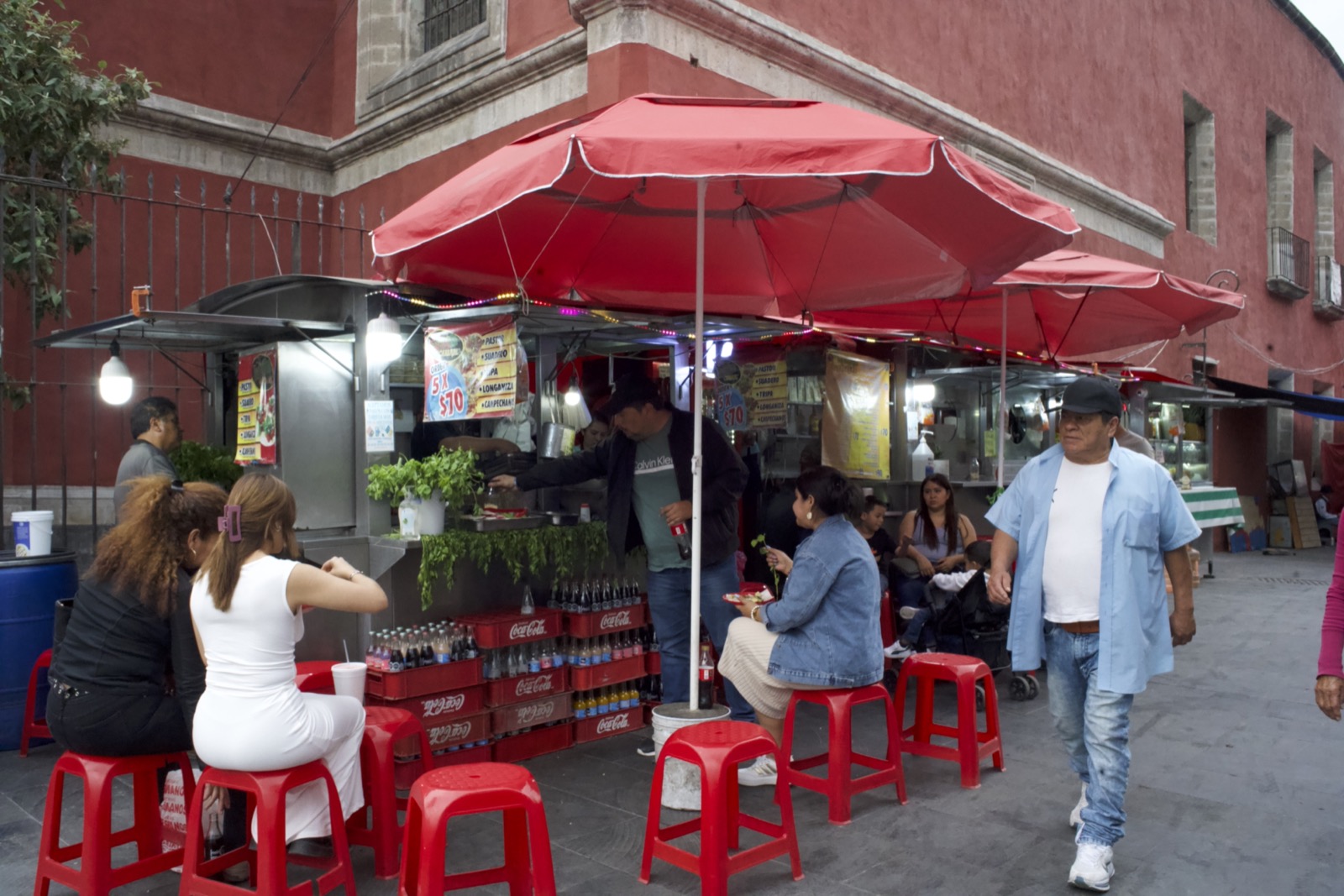
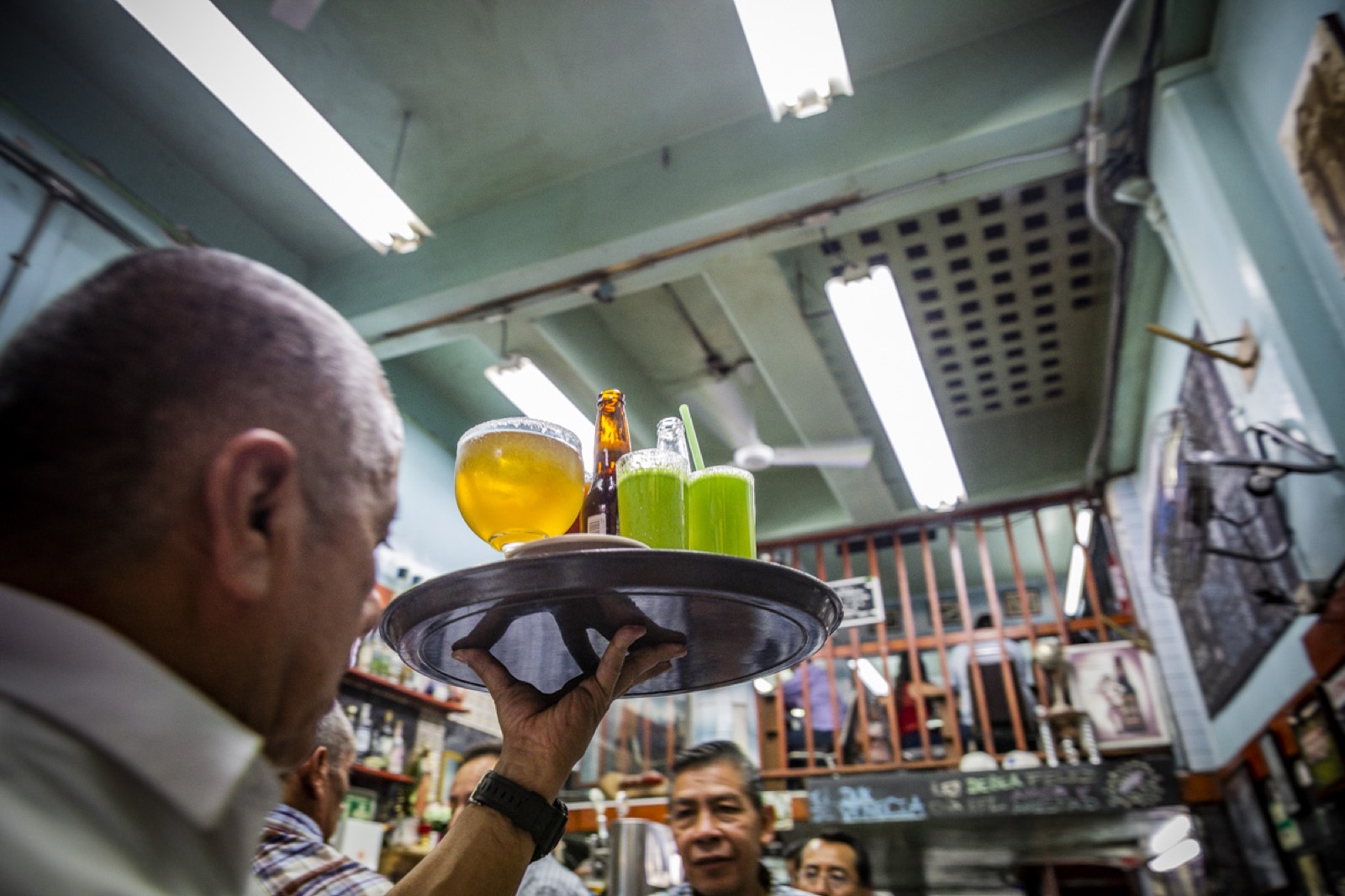
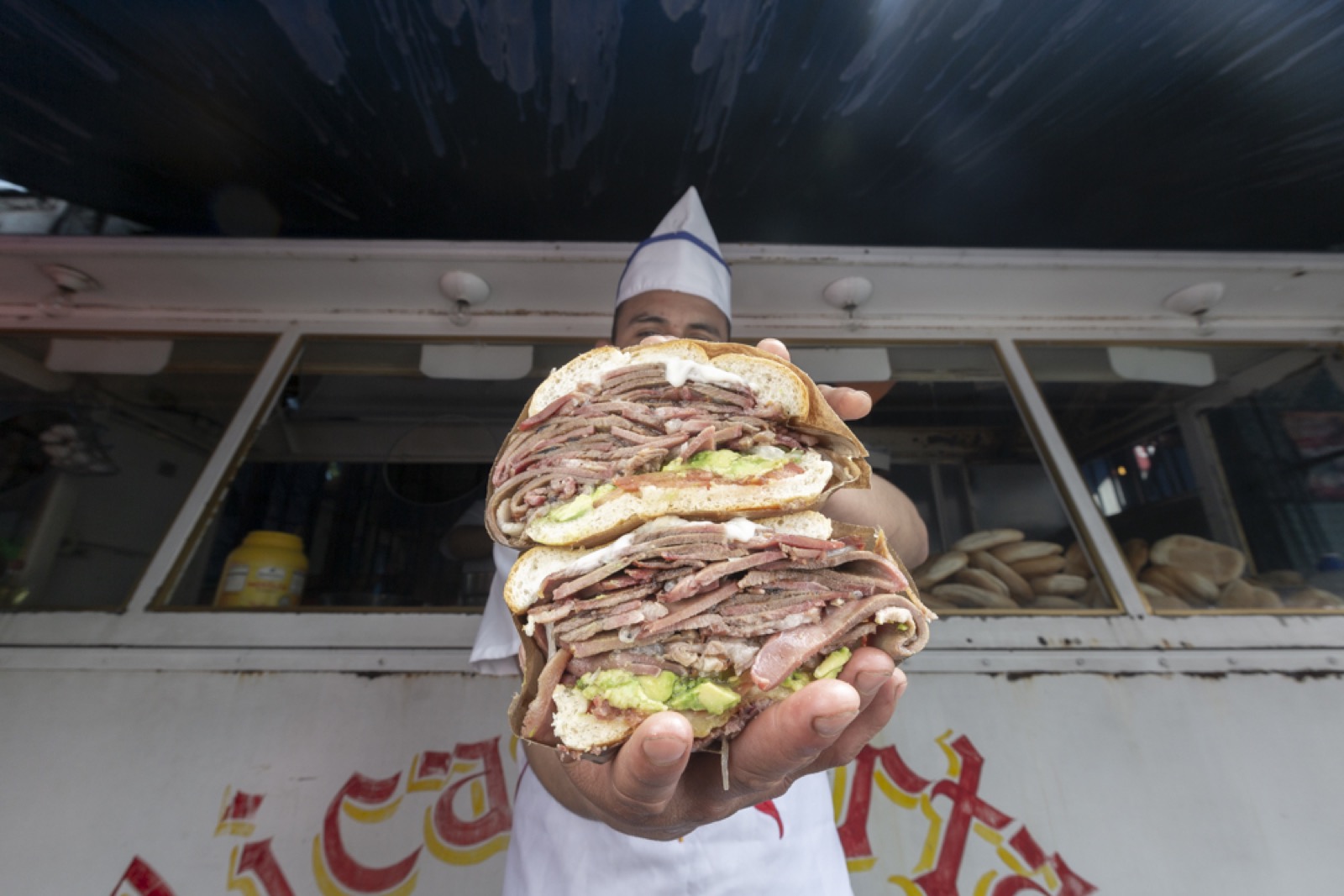
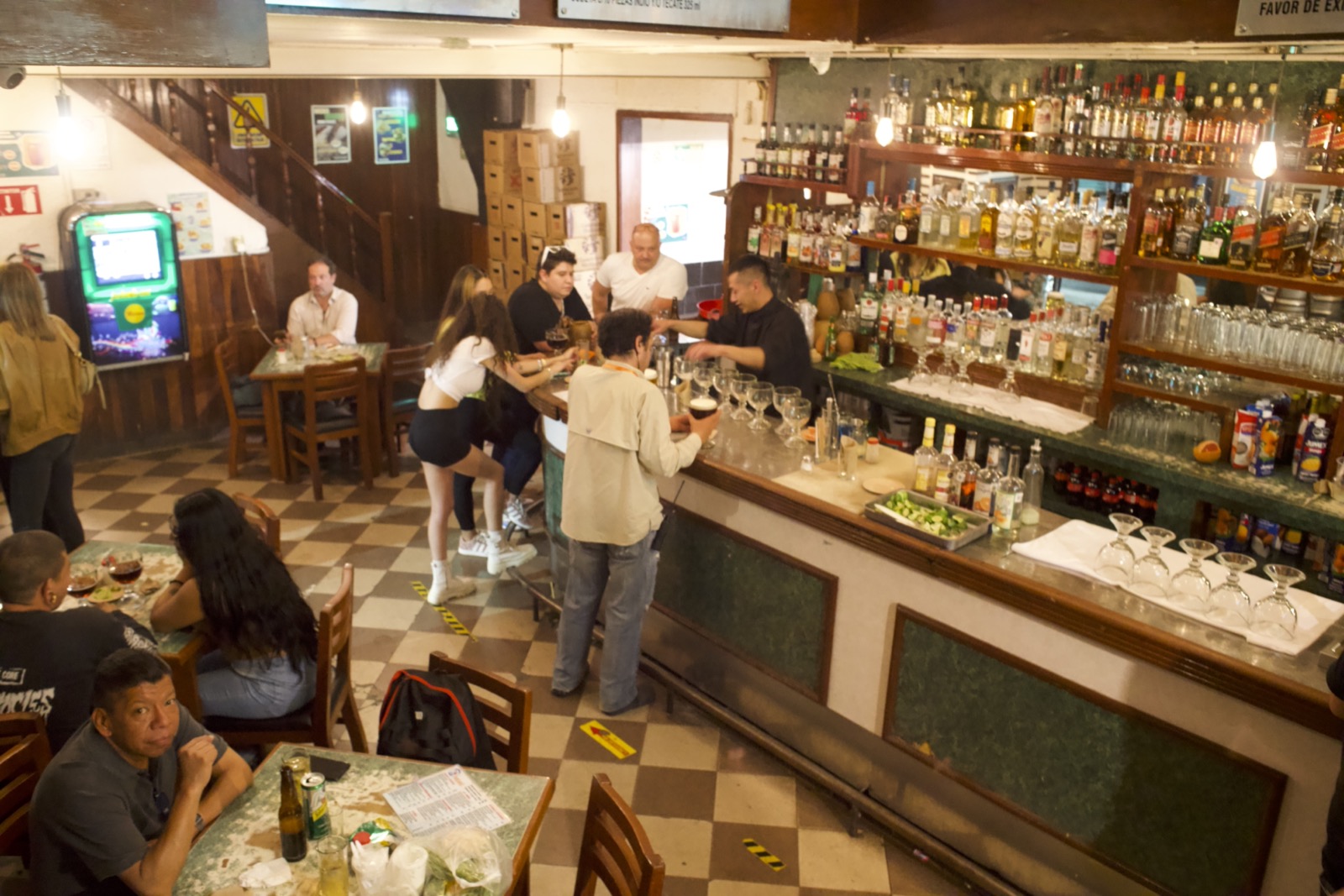
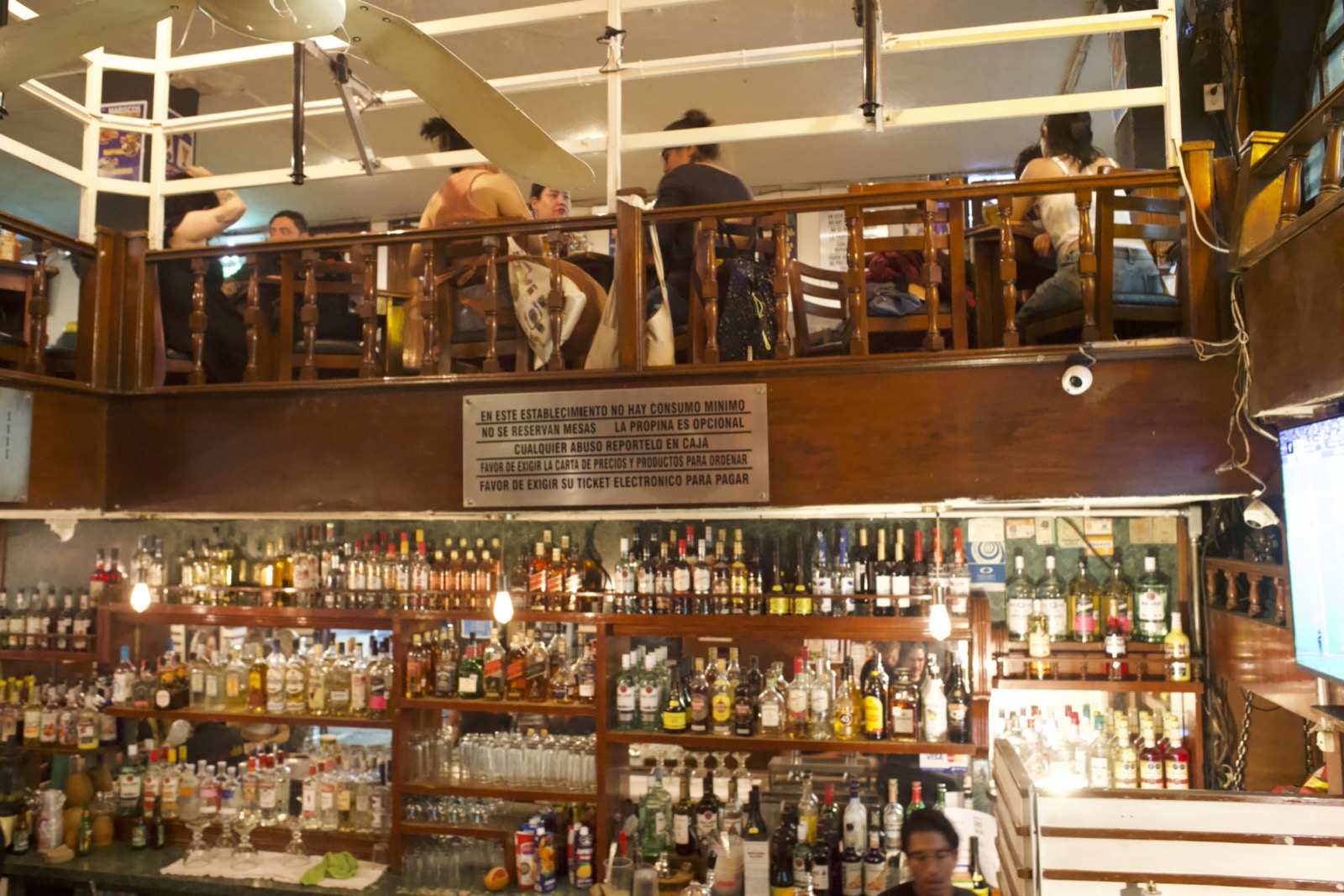
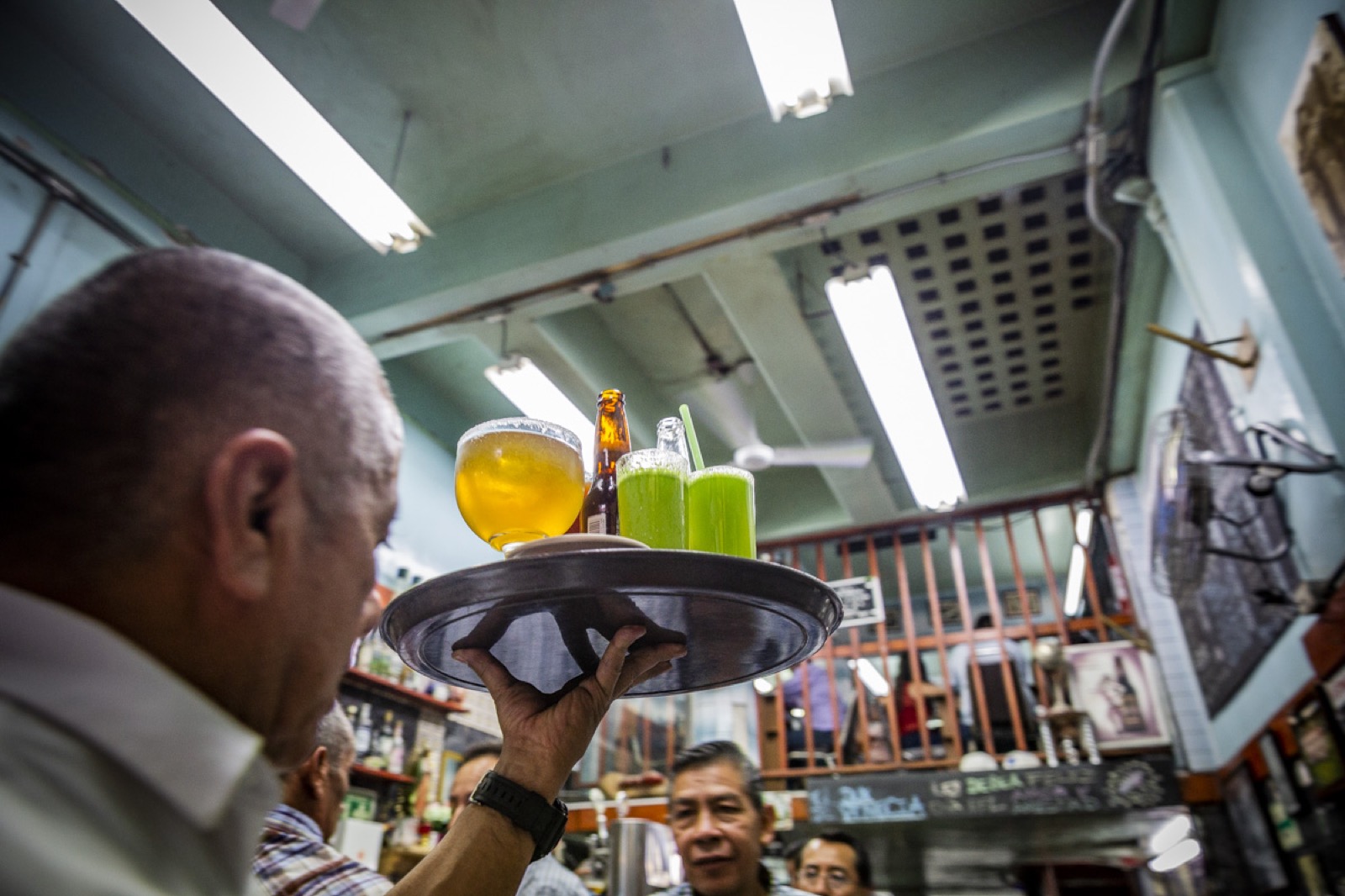
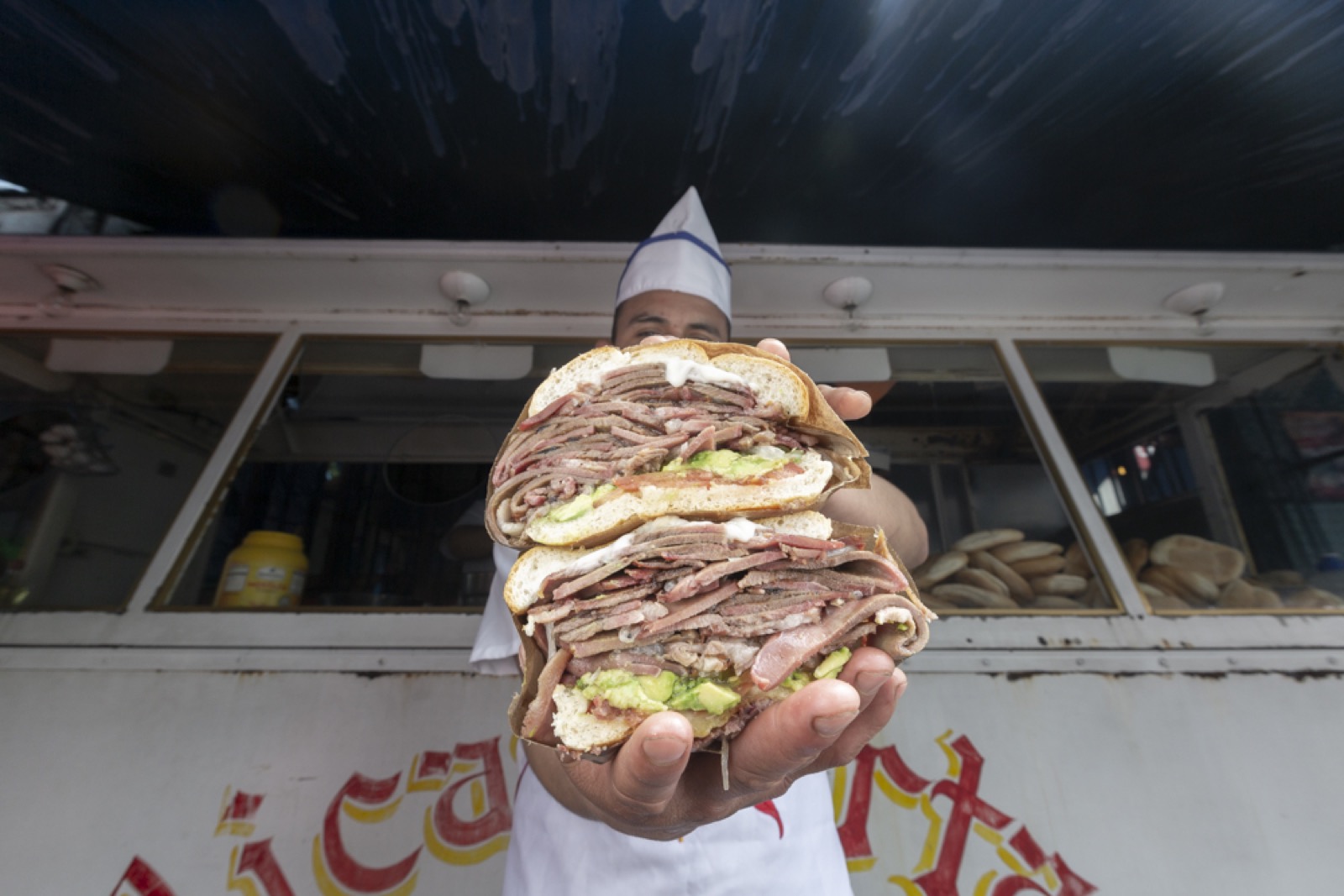
We start with breakfast at a place founded by a legendary wrestler, eat suadero standing on the sidewalk, walk past a Moorish kiosk that arrived from New Orleans in 1884 and somehow ended up here, and finish with pulque or a cold beer in one of the oldest cantinas in the city.
This is the tradition that doesn't perform for anyone. Come hungry it will be greasy.
Included
All food stopsSelect drinksBilingual guideWalking + metro
CDMX · Day tour · 02
Deep South
Duration5 6 hours
TimeMorning
GroupUp to 12
From$130 / person
Tour moments
UNAM
Bosque
Chapulines
Mariscos
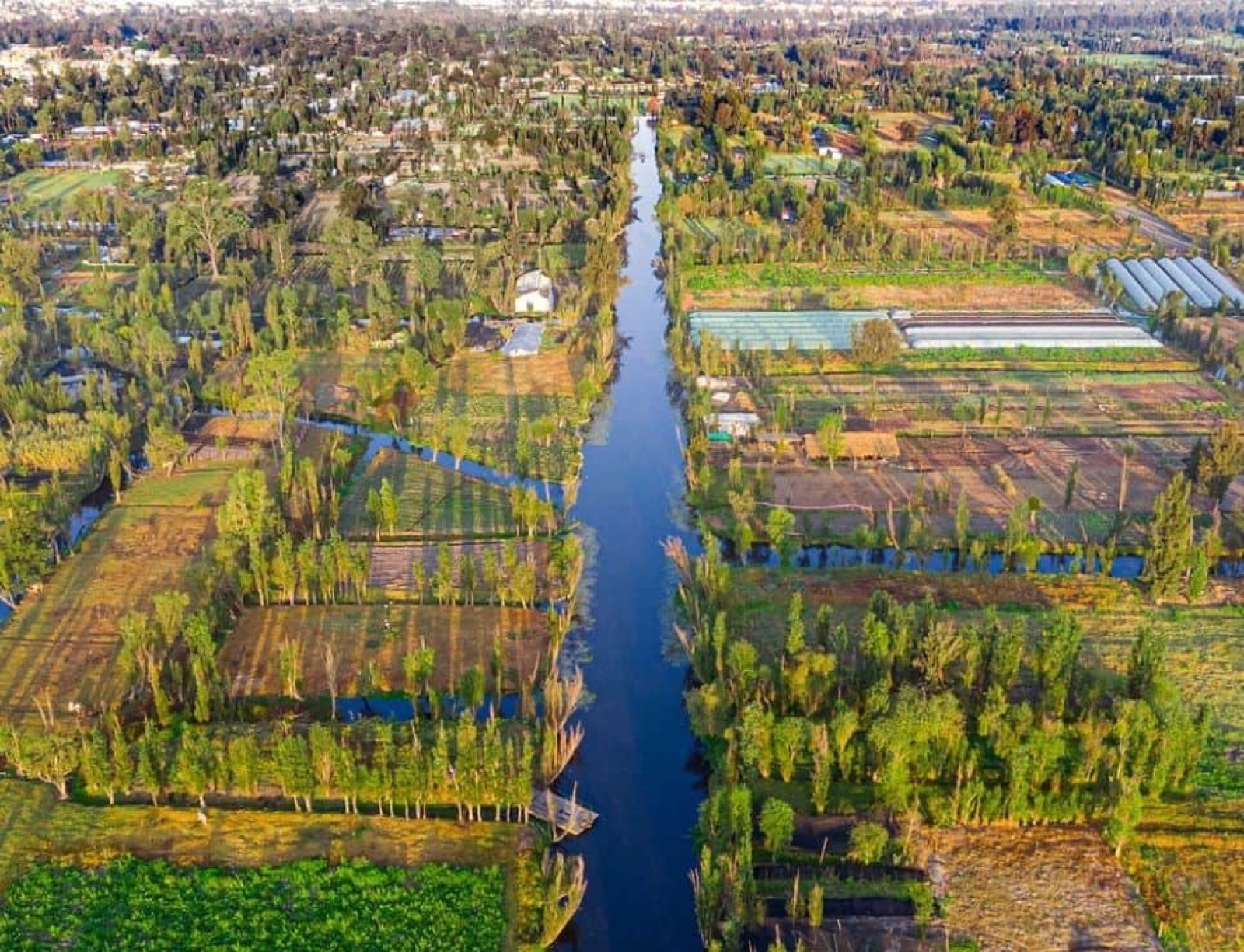
The city before the city. We go south to the ancient canals of Xochimilco, through the volcanic stone campus of UNAM, into Coyoacán for lunch at a place founded by the author of the Tacopedia. Then through Chimalistac, the quietest streets in the south, and into San Ángel.
Pre-Hispanic, colonial, modernist: three layers of the same city, eaten in order. The guides who take you here grew up in this culture, which feels like a different world from the rest of the city.
Included
All food stopsSelect drinksBilingual guideSprinter van
CDMX · Day tour · 03
The Stomach
Duration5 6 hours
TimeMorning
GroupUp to 12
From$130 / person
Tour moments
Mercado
Tortas
Pulquería
Pulques
This is where the ingredients come from. Forget all that talk about trendy restaurants before Pujol, before Contramar, before anything with a reservation, they either pass through La Merced or through Central de Abastos. We swing between unexplored parts of El Centro: Colonia Tránsito, La Merced, Doctores.
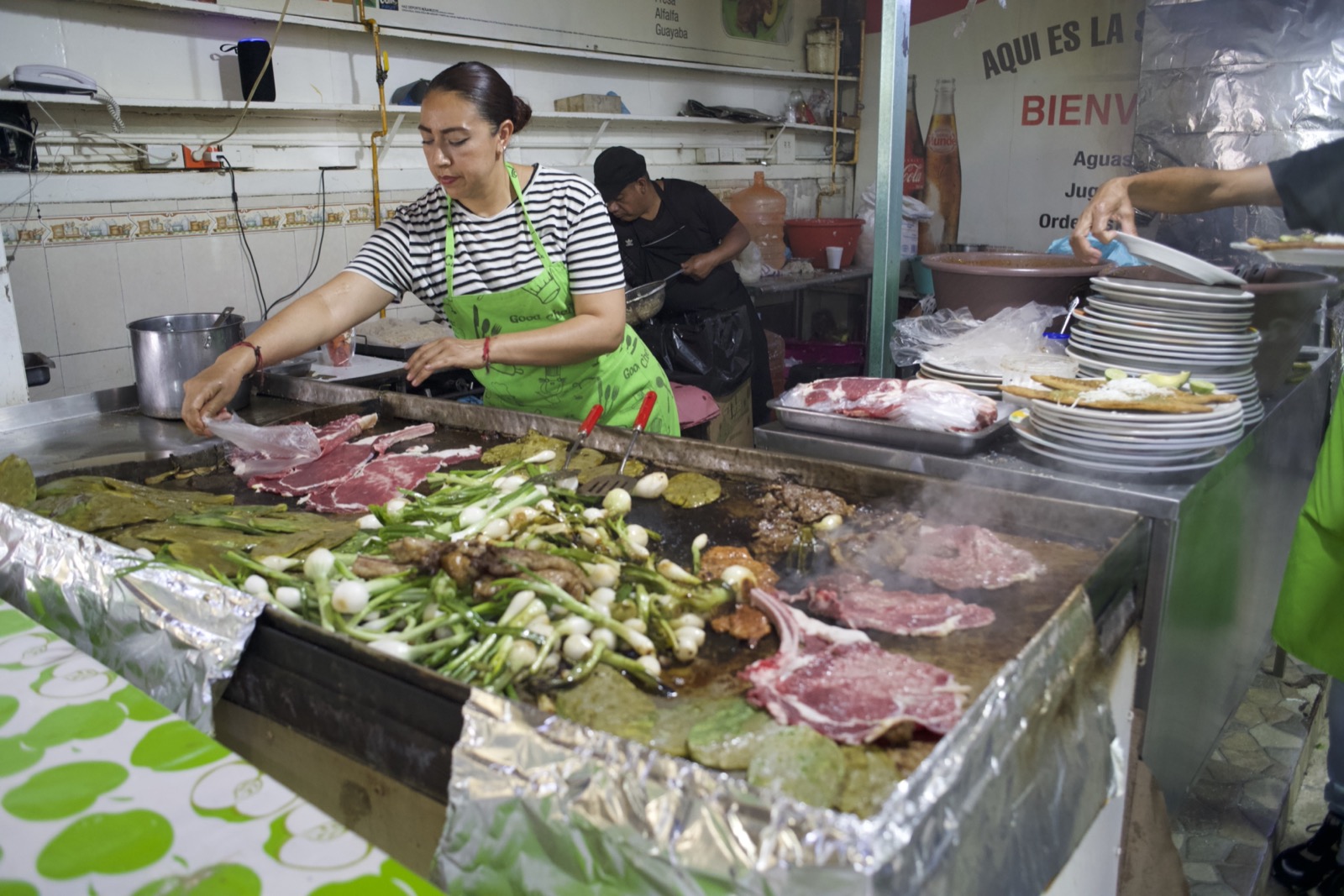
Walk through the logistics of hunger: carnitas processed on industrial scale, the dried chile aisles, the cactus, the herbs, the fish, the juices, the stall that's been feeding market workers for forty years. We like to eat the dishes that separate the tourists from the people who came to eat the explorers.
This is not a curated experience. It is the city's actual supply chain, and you are inside it. Think of it like a maze full of legendary characters, smells, sounds, shapes, colors and flavors.
Included
All food stopsSelect drinksBilingual guideWalking + metro
CDMX · Day tour · 04
Inland Seafood Empire
Duration5 hours
TimeAfternoon
GroupUp to 10
From$220 / person
Tour moments
Pulpo
Sanborns
Cantina
Antojitos
Mexico City is landlocked, surrounded by mountains pretty much all around, 2,200 meters above sea level. The seafood is still some of the best in the country if you know where to go.
This tour moves across the city's economic spectrum in a single afternoon: shrimp cocktail in a marisquería de barrio, then a "painted" fish surrounded by Polanco towers, then a century-old cantina, then Baja technique and Pacific product at the chef's table end of the spectrum. Then? Tuna tostada or oysters where the mermaids swim. Sometimes spicy is not optional and that's fine.
We'll go through the whole seafood spectrum from Doctores to Polanco and back. The point isn't to rank these different spots. It's to understand that the ocean reaches this city through a thousand different hands, and they're all succulent.
Included
All food stopsSelect drinksBilingual guideSprinter van
CDMX · Full day · 05
The Long Diagonal
Duration8 9 hours
TransportPrivate sprinter
GroupUp to 10
From$220 / person
Tour moments
Quetzalcóatl
CDMX
Pulque
Chiconcuac
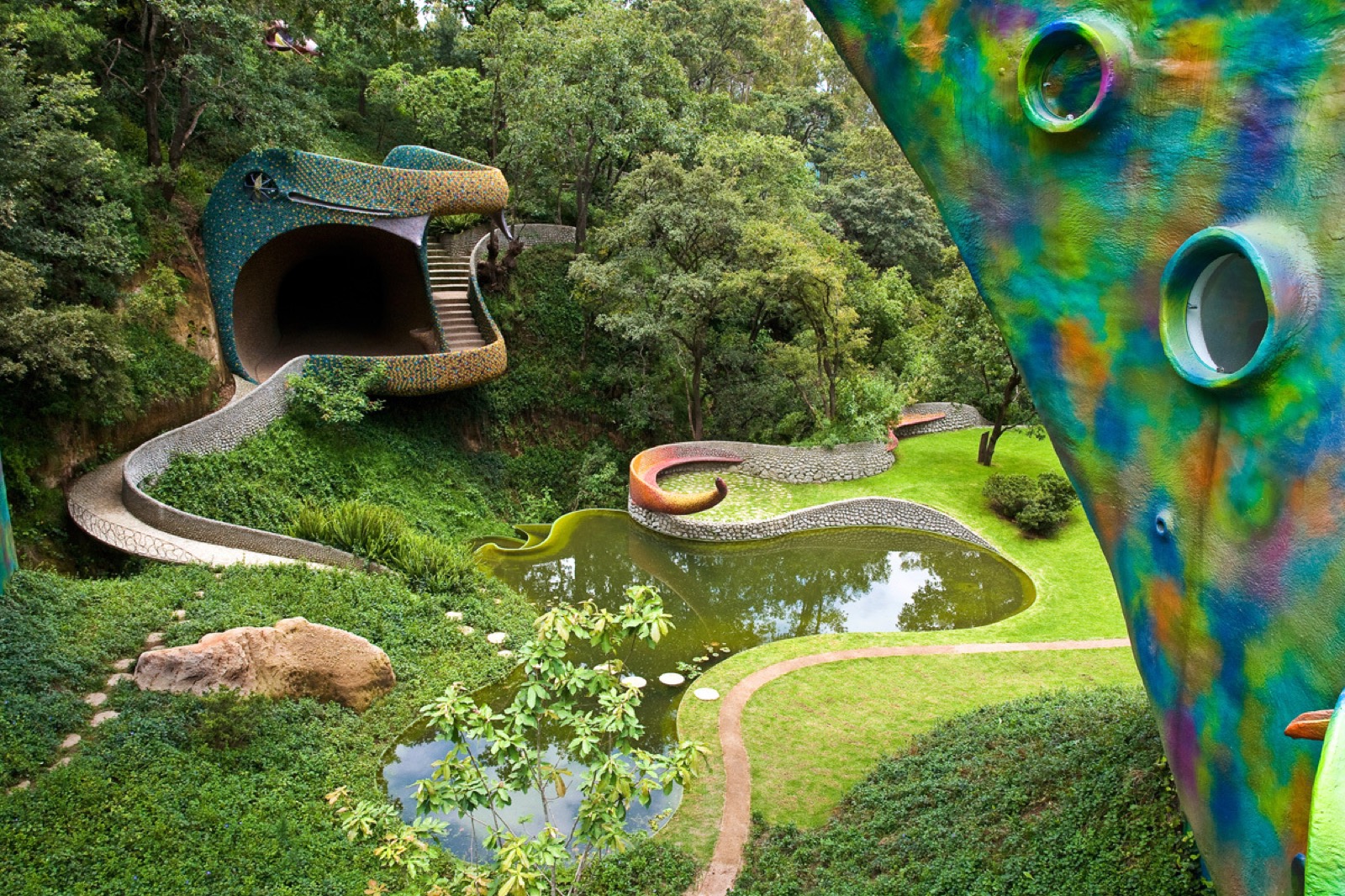
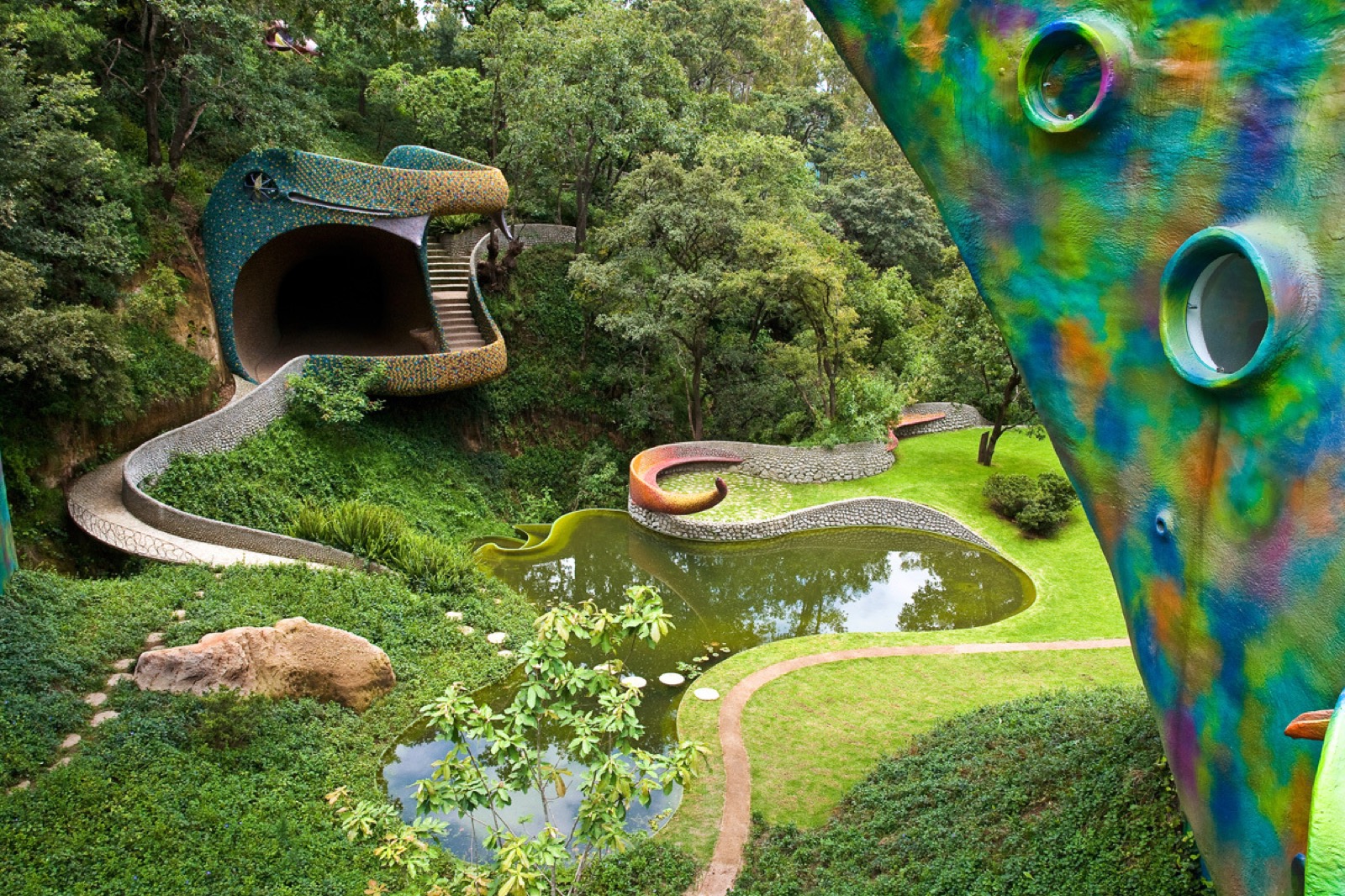
One day, one city, from top to bottom. We start at a massive house built into a lava field that looks like an Aztec snake, a living organism, and move south through the city's shifting registers: industrial north, colonial center, creative corridor, lake district.
The Nido de Quetzalcóatl at first light. The Torres de Satélite on the highway. Breakfast at the gem of Azcapotzalco. Pulque under a bridge with no name. Then south through Guerrero, Juárez, Roma, ending wherever the day ends: Barragán's house in San Miguel Chapultepec, a cantina in Narvarte, or Coyoacán at dusk.
No two versions of this tour are the same. What we offer here is a curated, day-long melting pot of experiences: a brushstroke of all the wonders that can fit into one day crossing this infinite city, bite by bite and drink by drink.
Included
All food stopsSelect drinksBilingual guidePrivate sprinterArchitecture visits (pre-arranged)
CDMX · Day tour · 06
Where the Map Ends
DurationFull day · 8 9 hrs
ElevationUp to 3,000m
GroupUp to 10
From$160 / person
Tour moments
El mercado
El bosque
La pulquería
Los callejones
La Magdalena Contreras is technically inside Mexico City. It doesn't behave that way. The streets are narrow, the market is serious, and the people who live there have been there for generations not because it's trendy but because it's theirs. Nobody comes here for brunch. That's the point.
The tour starts early, in the market, with tamales and atole from a woman who has been making them the same way since before you were born. Then into the callejones the back streets that don't appear on any tourism map for pulque poured from a clay pot, cecina tacos, rotisserie chicken from a stall that operates on smell alone. Food that exists because the neighborhood needs it, not because a food blogger found it.
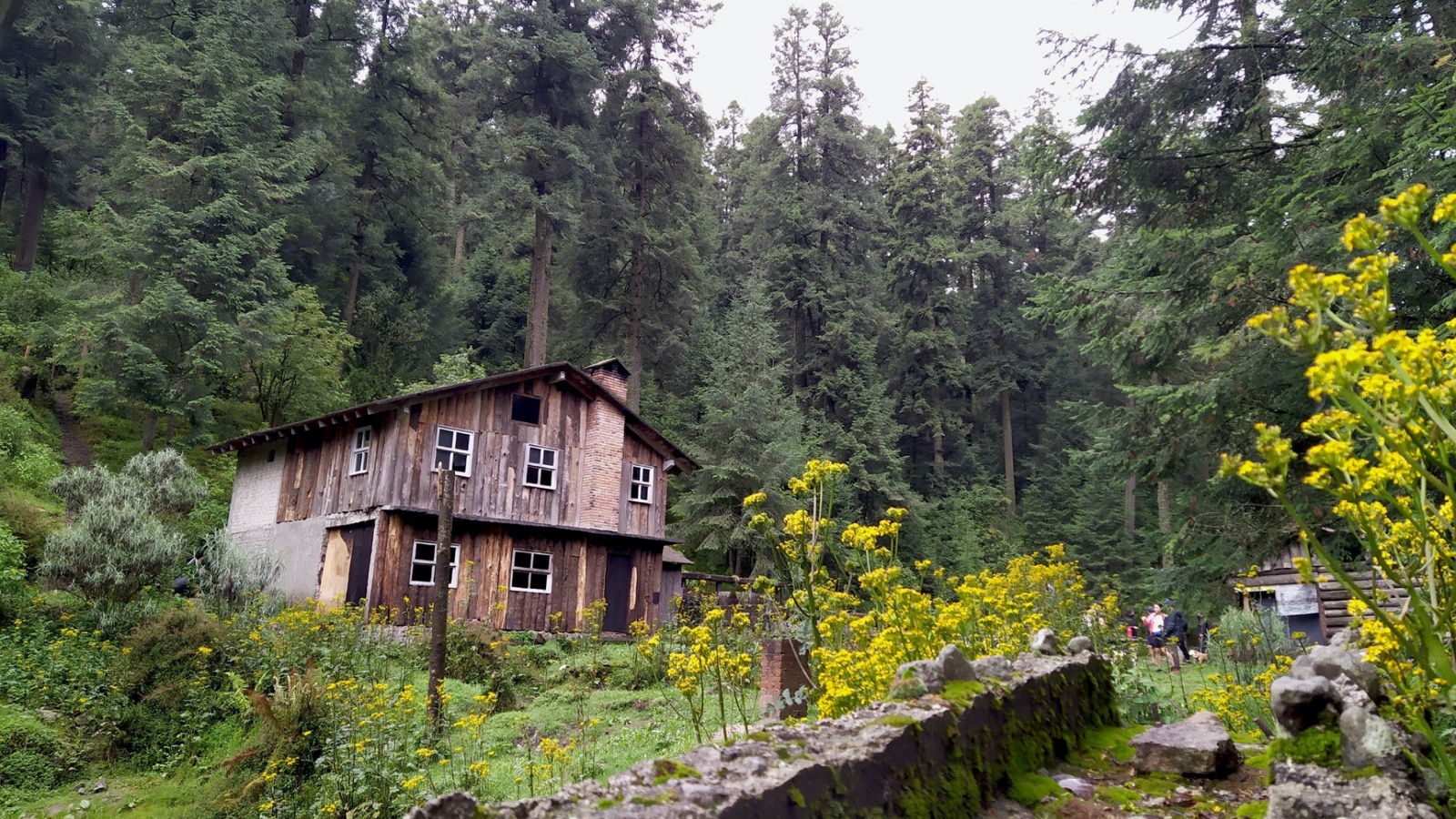
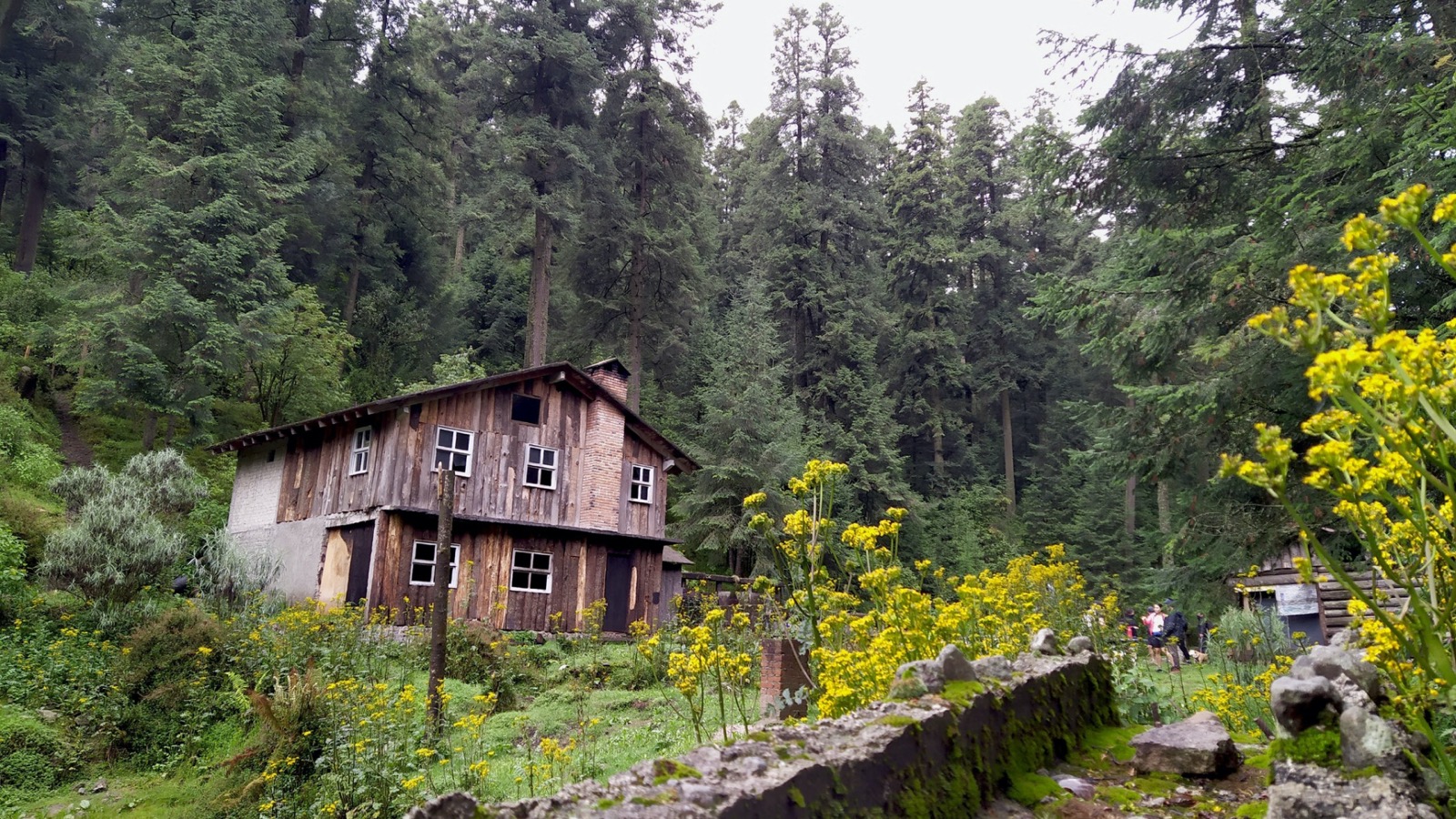
Then up. The road into the Ajusco climbs fast and the city disappears behind you. At 3,000 meters you're in a pine forest that shares a zip code with Polanco but feels like a different country. Quesadillas de huitlacoche cooked on a wood-fire comal, the smoke mixing with pine resin. No phone signal and no reason to check it. On a clear day, Popo and Izta on the horizon.
The descent brings you back into the village for the last act: a billiard hall or a corner bar, cold beer, whatever's left to eat. The kind of ending that doesn't need a reason.
Included
All food stopsSelect drinksTransport to AjuscoBilingual guideForest entry
The arc
Morning · The village
Tamales, atole, callejones
Early start at the Mercado de La Magdalena Contreras one of the last functioning neighborhood markets in the southwest of the city, untouched by the organic-produce wave. Tamales de rajas, de mole, de frijol wrapped in the style of the pueblo, different from the CDMX standard. Atole de guayaba or champurrado depending on the season. Then into the callejones for pulque de la semana, cecina tacos, and pollo rostizado from the stall that's been in the same corner since 1987.
Midday · The ascent
Up to 3,000 meters
Private transport up the Ajusco road. The city falls away in about fifteen minutes. At altitude: quesadillas cooked on a wood-fire comal by a family that's been feeding hikers here for two generations. The smoke, the cold air, the resin. On a clear day, Popocatépetl and Iztaccíhuatl on the horizon.
Afternoon · The descent
Back down, one more round
The return to the village. The last stop is wherever the day decides: a billiard hall with cold Montejo, a corner bar with micheladas, or a final taco from whatever's still going at 5pm. No fixed script for the ending that's the point of coming this far.
Multi-day trips
Mexico City · Immersion
72 Hours CDMX
3 days · Min 3 guests · Hotel included
Three days inside Mexico City with people who actually live here. Not a hotel package. Not a highlights reel. A real immersion, markets, architecture, cantinas, food from every corner of the city.
Mexico · Gulf Coast
Veracruz
4 days · Min 3 guests · Hotel incl. · Xalapa → Coatepec → San Rafael → Monte Gordo
Sierra, jungle, coast. The state where coffee arrived, where son jarocho was born, where African, indigenous and French influences merged without anyone documenting it well. Until now.
Mexico · Pacific
Michoacán
4 days · Min 3 guests · Hotel incl. · Morelia → Pátzcuaro → Tzintzuntzan → lakes
The only Mexican cuisine recognized by UNESCO. A lake where fishermen still use butterfly nets. Tamales that don't exist anywhere else. The city nobody's writing about yet.
Mexico · High Desert
Hidalgo
2 days · Min 3 guests · Hotel incl. · Zimapán → San Joaquín → Xajhá
The state that begins where Mexico City ends. A canyon no one has photographed seriously, a cave system you reach on foot, and a foodway that survived because the roads were too bad to ruin it.
Mexico · Yucatán Peninsula
Yucatán
5 days · Min 3 guests · Hotel incl. · Mérida → Progreso → Valladolid → Ek Balam
A peninsula that doesn't share a cuisine with the rest of Mexico. Polcanes and cochinita in Mérida's markets, poc-chuc at tables that have been serving the same recipe since before the highway existed, longaniza tacos in ranch country, fresh fish in Progreso, cenotes, Valladolid cantinas.
Mexico · Sierra · Valleys · Coast
Oaxaca
7 days · Min 3 guests · Hotel incl. · Sierra Norte → Valles Centrales → La Costa
Seven days across three Oaxacas that barely resemble each other. The Sierra Norte cloud forest, the valley markets, the city's mole and mezcal at tables where journalists eat with cooks. Then the coast: fishing villages, waves, and a mezcal culture that gets more serious the further south you go.
Mexico · Northwest
Sonora
4 days · Min 3 guests · Hotel incl. · Hermosillo → Álamos → Guaymas · San Carlos
The state that invented carne asada and takes the credit seriously. Hermosillo's butcher culture, flour tortillas made the way they're supposed to be, the colonial town of Álamos, oysters and callo de hacha pulled from the Sea of Cortés in Guaymas. Desert, ocean, cattle country three landscapes that share one table.
Mexico · Baja California
Baja
4 days · Min 3 guests · Hotel incl. · Tijuana → Ensenada → Valle de Guadalupe
Tijuana is one of the most underrated food cities in North America. The Caesar salad was invented here. So was the fish taco. Then south to Ensenada for sea urchin, abalone, and wine from valleys that supply half of Mexico's best restaurants. The Pacific is right there and the seafood proves it.
Mexico · Jalisco
72 Hours Guadalajara
3 days · Min 3 guests · Hotel incl. · Guadalajara · Tlaquepaque · Tequila
The second city. Tortas ahogadas at dawn in Mercado Corona, birria in its original form before it became a trend, cantinas where the mariachi is not a show but a conversation. Tequila country an hour west not the distillery tour circuit but the agave fields and small producers who sell to people who know to ask.
Mexico · Nuevo León
72 Hours Monterrey
3 days · Min 3 guests · Hotel incl. · Monterrey · Barrio Antiguo · Sierra Madre
The industrial north built a food culture around fire, meat and self-sufficiency and it shows. Cabrito al pastor, carne asada with its own argument, machitos, pan de semita, a michelada culture that operates by different rules. Three days in a city most food travelers skip.
Multi-day trip · Mexico City
72 Hours CDMX
Duration3 days
Group6 14 guests
TransportPrivate sprinter
From$1,650 / person
Trip moments
UNAM
Cantina
Tacos
CDMX
Included
All curated food stopsSelect drinks per venuePrivate sprinter dailyCIA guide throughoutPrinted city guide24h support
Three days in Mexico City with people who live here. Not a hotel package. Not a highlights reel. A real immersion south to north, market to cantina, pre-Hispanic to brutalist to what opened last month.
Each day covers a different layer of the city. The deep south Xochimilco, UNAM, Coyoacán. The dense center La Merced, Doctores, Tlatelolco. The new city Santa María, Juárez, Tabacalera. Every night is yours. Every day is ours.
Accommodation is not included we work with any hotel or Airbnb your group chooses in the Roma-Condesa corridor, or we can recommend options on request. The sprinter picks you up every morning.
Three days
Day 1
The Deep South
Xochimilco at sunrise with the Arca Tierra farmers. UNAM murals, volcanic stone, botanical garden. Lunch in Coyoacán at a spot the author of the Tacopedia founded. An afternoon drink in San Ángel inside a former hacienda. The city in its oldest, deepest layer.
Day 2
The Heart & the North
Breakfast in the Centro markets, basket tacos, the workers' hour. Templo Mayor and the layered city. Into Colonia Guerrero for lunch where the locals eat. Tlatelolco in the afternoon the most charged plaza in the country, and the least visited by tourists. We don't skip it.
Day 3
The New City
Santa María la Ribera art nouveau kiosks, Lebanese taquerías, the neighborhood that escaped gentrification. Through Juárez and San Rafael. Tabacalera and the monumental city. Final dinner at the border between Juárez, Condesa and Chapultepec a restaurant that earns its reputation. The closing argument for why this is one of the great food cities on earth.
Multi-day trip · Mexico · Gulf Coast
Veracruz
Duration4 days
HotelIncluded
Group6 10 guests
TransportPrivate van
From$2,200 / person
Trip moments
Zona Arqueológica
Sierra
Mariscos
Bebidas
Included
3 nights accommodationAll curated mealsSelect drinksPrivate transportCIA guide throughout
The route
Night 1 2 · Xalapa
The mountain city
Mercado Jáuregui the most underrated market in Mexico. Xalapa on foot the best university city in the country, no argument. Café de Coatepec: producer visit, process, the cup in context. Chalupas, tlacoyos, enchiladas veracruzanas for breakfast. Dinner at the small, serious restaurant scene that nobody outside Veracruz knows about. Cascadas de Texolo or a local river the next morning the sierra, water, jungle, silence.
Night 3 · San Rafael Maison Couturier
The French colony
A 19th-century French estate surrounded by banana plantations and lemon groves. The French community that settled here in 1833 still makes artisan cheeses and bakes bread in wood-fired ovens. We sleep here. We eat their breakfast. El Tajín is 50 minutes away one of the most extraordinary archaeological sites in the country, and on a weekday morning, almost nobody there. Río Filobobos for rafting if the group wants to move.
Night 4 · Monte Gordo Hotel Azúcar
The Gulf
On the Gulf of Mexico. A palapa built by Veracruz artisans, a constant breeze, Veracruz cuisine cooked in front of you arroz a la tumbada, fish al mojo, jaibas. Oysters and cocktails in Boca del Río or Alvarado on the way. Son jarocho in the evening a real session, not hotel folklore. Last day: beach, hammock, the trip digesting itself.
Multi-day trip · Mexico · Pacific
Michoacán
Duration4 days
HotelIncluded
Group6 10 guests
TransportPrivate van
From$1,900 / person
Trip moments
Morelia
Tzintzuntzan
Cocina
Atole
Included
3 nights accommodationAll curated mealsSelect drinksPrivate transportCIA guide throughout
The route
Night 1 2 · Morelia
The colonial city
Mercado de Antojitos: uchepos, corundas, atole de grano tamales and preparations that don't exist outside Michoacán. The nuns who invented the sweets of the portales. Dinner at a restaurant working with current Michoacán cuisine no folklore, no costume. The colonial architecture of the centro is among the most beautiful in the country and almost never photographed seriously. Charanda, the sugarcane spirit from the state, almost unknown outside Mexico.
Night 3 · Pátzcuaro
The lake
Mercado de San Juan the most complete Purépecha market, wool, clay, food. White fish from the lake, charales fried and cold with beer at the dock. Tzintzuntzan the ancient Purépecha capital, the yácatas, the artisans working with straw. A traditional Purépecha cook in her kitchen, her fire, no stage design. Janitzio by boat if the group wants the butterfly fishing nets up close.
Day 4 · Return via Uruapan
Carnitas and copper
Uruapan carnitas the Michoacán style, copper cauldron, maciza and buche, completely different from CDMX. Lago de Camécuaro if there's time: blue water, thousand-year-old ahuehuete trees, nobody goes. Market stop on the way back. Flight from Morelia or return to CDMX by road.
Mexico · High Desert · 2 days
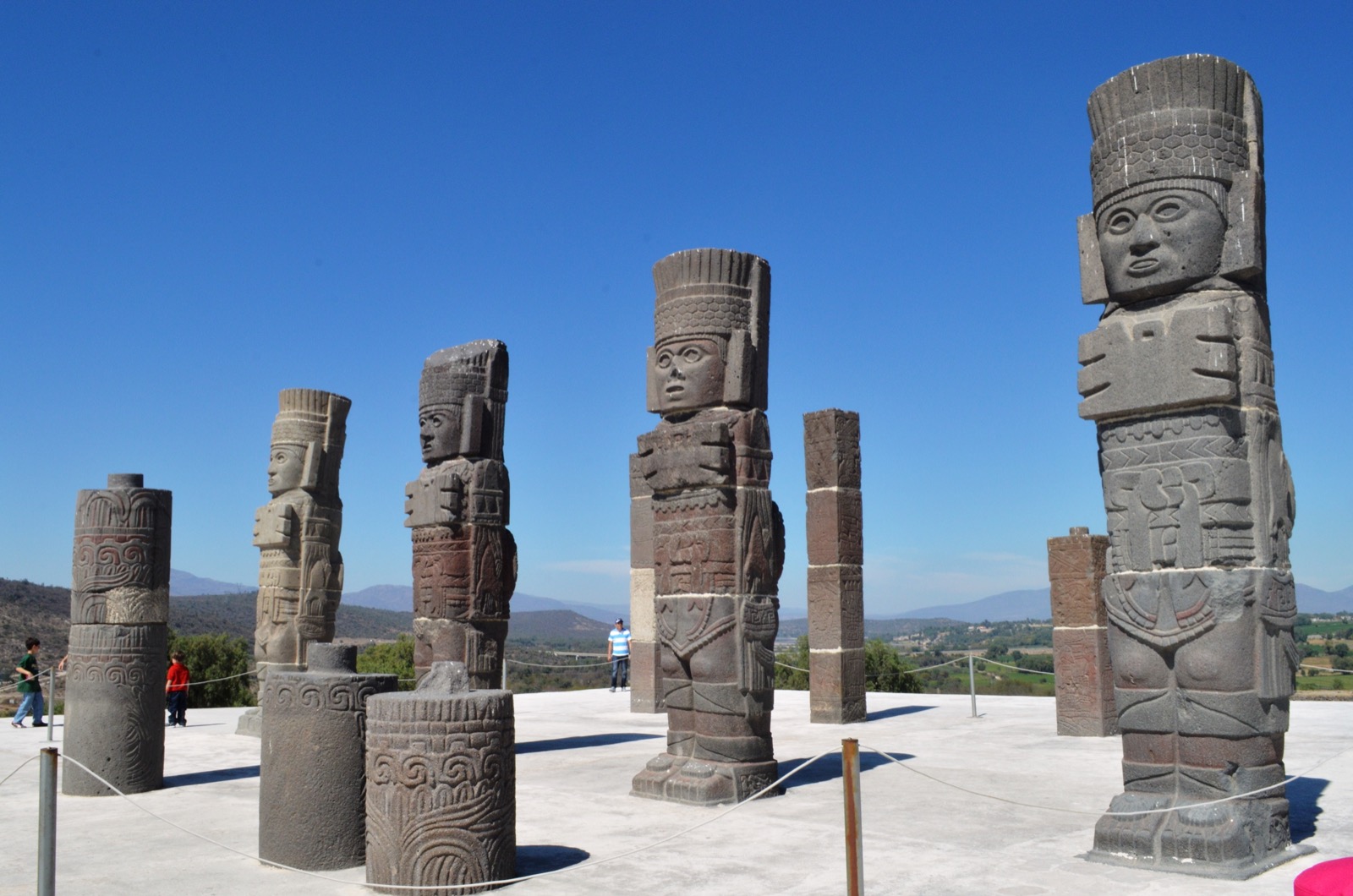
Hidalgo
Duration2 days / 1 night
HotelIncluded
From CDMX2.5 hrs by road
RouteZimapán → San Joaquín → Xajhá
PriceFrom $1,050 / person
The state that begins where Mexico City ends. Two hours north and the altitude changes, the vegetation changes, the food changes. Most people drive through Hidalgo to get somewhere else. That's why it's still intact.
Hidalgo doesn't have a PR problem it has a visibility problem. No one bothered to look. The result is one of the most geographically dramatic and gastronomically underrated states in central Mexico, sitting an hour and a half from the capital with almost no tourist infrastructure and almost no coverage.
The canyon at San Joaquín is one of those landscapes that doesn't make sense vertical walls of limestone rising out of semi-arid scrubland, a town at the bottom that barely appears on Google Maps. The Xajhá cave system requires a hike to reach and rewards the effort with stalactites, underground rivers, and a silence most people never find. Neither place has a single tour operator. That's why we go.
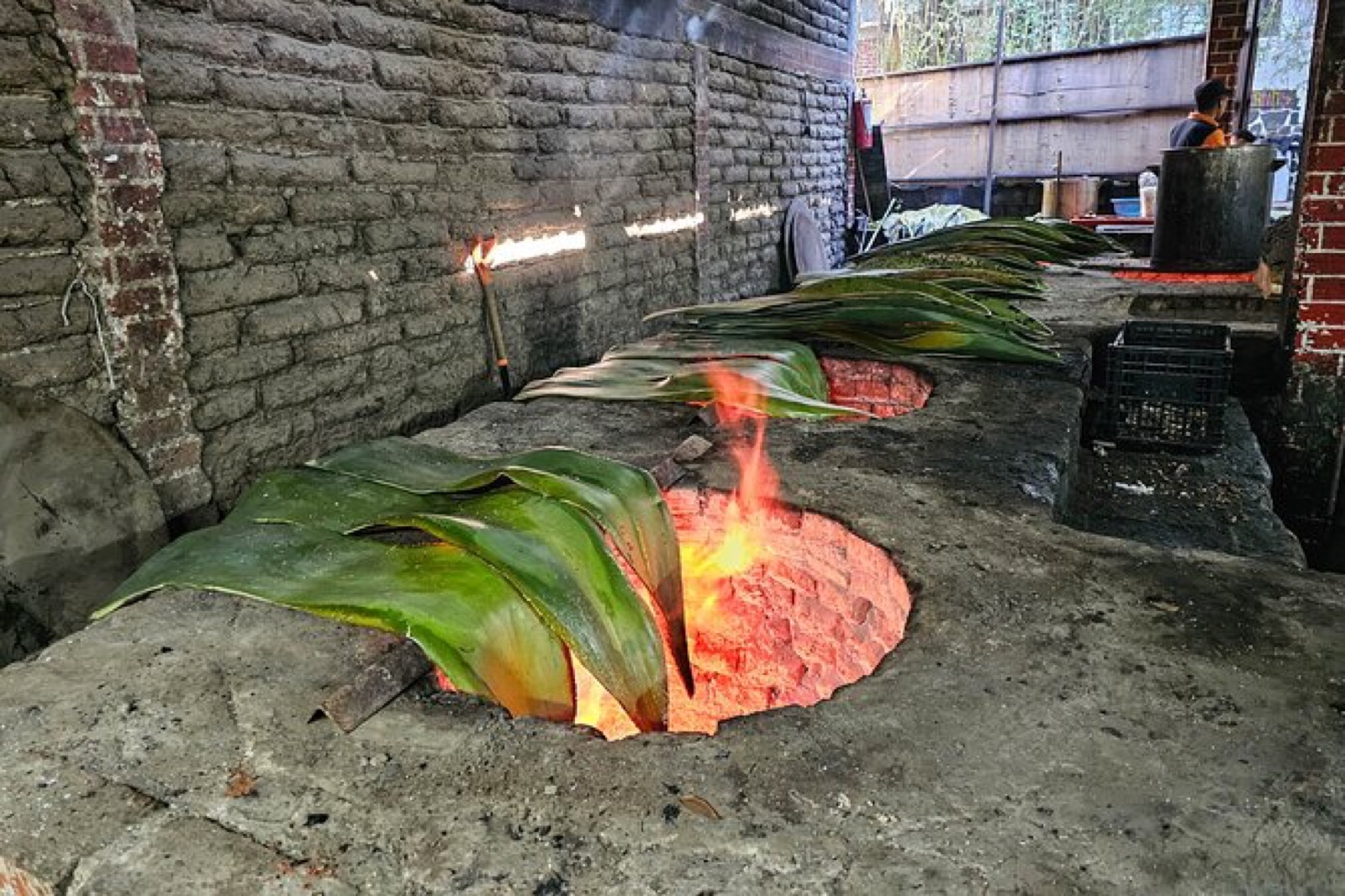
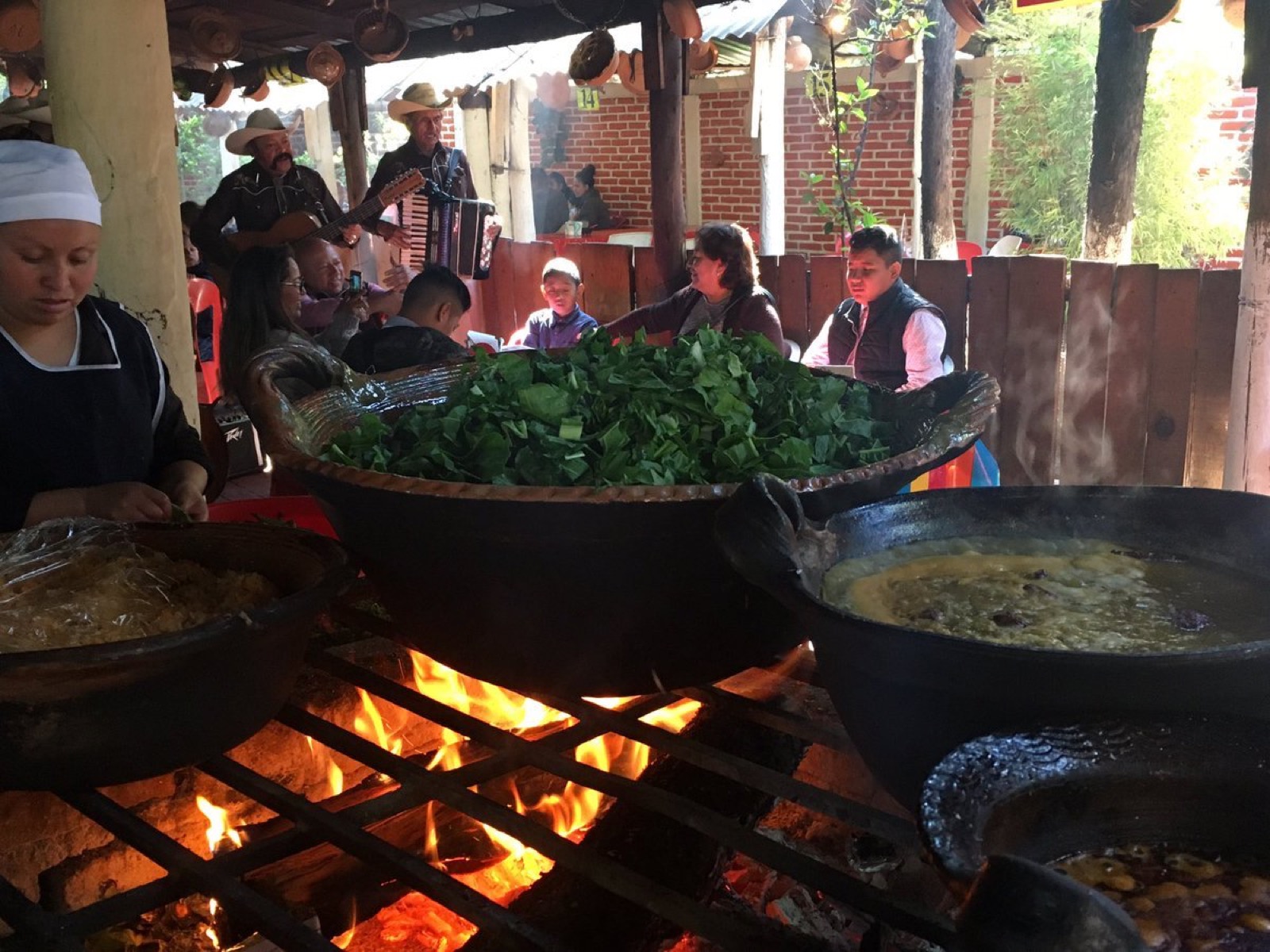
The food is Otomí and mestizo barbacoa that tastes nothing like the CDMX version, pulque that gets made at the rancho not the bottle factory, gorditas de cuajada, xoconostle in everything. The cheesemaking traditions of the Mezquital Valley are almost unknown outside the region. Pachuca has pastes, the Cornish meat pastry that arrived with British miners in the 19th century and never left. This is food with a specific history and a specific place, and it doesn't travel well you have to go to it.
The landscape
San Joaquín
Xajhá
Barbacoa
Real del Monte
Included
1 night accommodationAll curated mealsXajhá cave entrancePrivate transportCIA guide throughout
The route
Day 1 · Pachuca → Zimapán → San Joaquín
The descent
Departure from CDMX at 7am. Stop in Pachuca for pastes the Cornish miners' pastry that became Hidalgo's signature food after the silver boom of the 1800s. The drive into the Zimapán canyon: a geological rupture that appears without warning out of the high desert plateau. San Joaquín sits at the bottom, a town of a few hundred people with a baroque church and a market that operates on its own logic. Barbacoa cooked in the traditional Hidalgo style lamb in maguey leaves, buried underground overnight, not a CDMX taquería version. Afternoon hike to the canyon rim for the light. Night in a local posada.
Day 2 · Xajhá → Actopan → CDMX
Underground and back
Early morning hike to the Xajhá cave system 45 minutes on foot through scrubland, no crowds, a guide from the local ejido community who has been going in since he was a child. Stalactites, a subterranean river, chambers large enough to get lost in. Stop in Actopan on the way back: the Augustinian convent is one of the finest examples of 16th century New World architecture and almost nobody visits it. The barbacoa of Actopan has a different profile beef not lamb, a different marinade, eaten at the market with a cold pulque. Return to CDMX by early evening.
Mexico · Yucatán Peninsula · 5 days
Yucatán
Duration5 days
HotelIncluded
RegionYucatán Peninsula
RouteMérida → Progreso → Valladolid
PriceFrom $2,100 / person
A peninsula that doesn't share a cuisine with the rest of Mexico. The ingredients are different, the techniques are different, the rhythm is different. It took centuries of isolation to build this food culture and it shows.
Yucatecan cuisine is one of the most distinct regional traditions in the country built on achiote, citrus, habanero, and techniques that trace back to the Maya and were barely touched by the Spanish. Polcanes at the market before the city wakes up. Cochinita pibil that spent the night in the ground. Poc-chuc at Príncipe Tutul Xiu, which has been serving the same recipe at the same tables for longer than most restaurants in Mexico City have existed.
North of Mérida, Progreso is a port town that the tourist circuit ignores which means the seafood is for the people who live there. Carajillos at a bar facing the Gulf at noon. Fresh fish cooked without ceremony. Then inland to Valladolid: a colonial city with a cantina culture and cenotes inside the city limits. Ek Balam if the group wants ruins without the crowds that descend on Chichén Itzá by the busload.
This is a peninsula that feeds itself well and doesn't need your approval to do so.
Included
4 nights accommodationAll curated mealsSelect drinksPrivate transportCIA guide throughout
The route
Days 1 2 · Mérida
The white city
Mercado Lucas de Gálvez at dawn polcanes, papadzules, sopa de lima, tamales colados. The city's colonial centro, its henequen history, its cantinas. Poc-chuc at Príncipe Tutul Xiu in Maní on a day trip a pilgrimage that every serious eater in Yucatán makes eventually. Back to Mérida for the evening: mezcal, panuchos, and a city that stays up later than it looks like it should.
Day 3 · Progreso
The gulf coast
A port town with no tourist infrastructure and the freshest seafood on the peninsula. Ceviche, pescado frito, camarones al mojo de ajo at a table that faces the water. Carajillos. The malecon in the afternoon light. Nobody comes here on a tour which is exactly why we do.
Days 4 5 · Valladolid · Ek Balam
The colonial interior
Longaniza yucateca from a ranch kitchen on the way east. Valladolid for lunch: a colonial city that moves at its own pace, with cenotes inside the city and a market that the locals actually use. Ek Balam a Maya site with almost no visitors and extraordinary preservation. The drive back through the henequen fields. Return to Mérida or direct flight from Cancún.
Mexico · Northwest · 4 days
Sonora
Duration4 days
HotelIncluded
RegionSonora · Northwest
RouteHermosillo → Álamos → Guaymas
PriceFrom $1,750 / person
The state that invented carne asada and takes the credit seriously. Desert, ocean, and cattle country three landscapes that barely overlap but share one table.
Sonora is where the flour tortilla lives. Not the industrially produced version sold in plastic bags at every supermarket in the country the real one, made by hand, cooked on a comal, with a texture and flavor that makes you understand why Sonorans travel with them. The carne asada culture here is a social institution more than a meal. The cut matters, the wood matters, who you're eating with matters.
Hermosillo has a butcher culture that the rest of Mexico doesn't know about. Álamos is one of Mexico's designated Pueblos Mágicos that actually earned it a silver-boom colonial town in the foothills of the Sierra Madre with a food scene built on the land around it. And Guaymas and San Carlos give you the Sea of Cortés: oysters and callo de hacha pulled out the same morning, prepared without decoration because the product doesn't need it.
Included
3 nights accommodationAll curated mealsSelect drinksPrivate transportCIA guide throughout
The route
Day 1 · Hermosillo
Butcher country
The carnicerías of Hermosillo are their own ecosystem cuts you don't see anywhere else, a vocabulary of meat preparation specific to this state. Breakfast: machaca with eggs and tortillas de agua. Lunch at a carne asada that's been operating in the same backyard for twenty years. The city's covered market for chiltepin, dried oregano, and everything the rest of Mexico imports from here.
Day 2 · Álamos
The colonial foothills
Three hours south into the Sierra Madre foothills. Álamos was built on silver and survived the revolution mostly intact. The food is ranch-style: gallina pinta, pozole sonorense, carne con chile colorado. A town that time moved around rather than through.
Days 3 4 · Guaymas · San Carlos
The Sea of Cortés
The coast. Oysters from Bahía de Kino, callo de hacha in any preparation the kitchen decides on that day, pescado zarandeado on the beach, aguachile with the chiltepin that grows in the hills above. San Carlos for the afternoon: a bay that Jacques Cousteau called the aquarium of the world, still worth the description.
Mexico · Baja California · 4 days
Baja
Duration4 days
HotelIncluded
RegionBaja California Norte
RouteTijuana → Ensenada → Valle de Guadalupe
PriceFrom $1,650 / person
Two of North America's most interesting food cities within two hours of each other, and a wine valley between them that supplies half of Mexico's best restaurants.
Tijuana has a reputation problem that its food doesn't deserve. The Caesar salad was invented here. So was the fish taco. The city's restaurant scene has been one of the most dynamic in Mexico for over a decade chefs trained in the world's best kitchens came back and opened places that cost a fraction of what they'd charge across the border. The avenida Revolución cliché is the surface; the food is underneath it.
Valle de Guadalupe is the Mexican wine country that nobody outside Mexico knew about fifteen years ago and everybody is trying to get into now. Outdoor restaurants, wood-fire cooking, wine made from grapes that grow in a Mediterranean microclimate that shouldn't exist this far into North America. Then Ensenada: a fishing port with a fish market that moves every morning, sea urchin from the Pacific, abalone in season, and a clamato culture that takes the cold seriously.
Included
3 nights accommodationAll curated mealsWine tastingsPrivate transportCIA guide throughout
The route
Day 1 · Tijuana
The misunderstood city
Mercado Hidalgo for birria, mariscos, and the city's morning rhythm. The taco circuit: adobada, cabeza, lengua from the stands that have been operating on the same corner for generations. A restaurant in Zona Centro that would get a Michelin star if the guide bothered to look this far west. Caesar salad at the restaurant that invented it not as a tourist attraction but because it's still good.
Day 2 · Valle de Guadalupe
The wine valley
An hour south of Tijuana, the landscape shifts. The Valle produces serious wine from Nebbiolo, Tempranillo, and Grenache planted in soil that winemakers from Napa and Rioja have been quietly visiting for a decade. Lunch at a producer's table: wood fire, local olive oil, bread, whatever came out of the garden. The afternoon free for the drive through vineyards before heading to Ensenada.
Days 3 4 · Ensenada
Pacific port
The fish market at dawn: the Pacific's overnight catch sorted and sold before most tourists are awake. Sea urchin fresh from the water, eaten on the dock. Abalone if the season is right. The city's mercado negro for shellfish and ceviche. An afternoon on the coast south of the city quieter beaches, smaller towns, the Pacific at its most straightforward. Return to Tijuana or fly from Ensenada.
Mexico · Sierra · Valleys · Coast · 7 days
Oaxaca
Duration7 days
HotelIncluded
RegionsSierra · Valles · Costa
RouteSierra Norte → Oaxaca City → La Costa
PriceFrom $3,400 / person
Seven days across three Oaxacas that barely resemble each other. The most biodiverse state in Mexico, with a food culture built on that diversity. This is not a mole tour. It's everything else too.
Oaxaca gets reduced to mole and mezcal in the same way that CDMX gets reduced to Roma and tacos al pastor the shorthand is accurate enough that nobody questions it, and incomplete enough to miss the point entirely. The Sierra Norte is cloud forest at 2,500 meters, with Zapotec communities that have been farming the same terraces for a thousand years and a food culture built on ingredients that don't grow anywhere else. San José del Pacífico is a mountain town on the road between the sierra and the coast where the altitude makes everything taste different.
The Valles Centrales have the markets: Tlacolula on Sundays, Zaachila on Thursdays, the daily market in Etla. These are functional markets, not tourist markets the comals are going before dawn and the vendors know their regulars. Oaxaca city itself has a food scene that runs from tlayudas at street stalls to restaurants doing serious contemporary work with Oaxacan ingredients. The mezcal is everywhere and the quality gradient is real knowing which bottle to open matters.
The coast is a different country. Fishing villages on the Pacific with no tourist infrastructure, surf breaks that international surfers have been quietly using for decades, and a seafood and mezcal culture that intensifies the further south you go.
Included
6 nights accommodationAll curated mealsMezcal tastingsPrivate transportCIA guide throughout
The route
Days 1 2 · Sierra Norte
The cloud forest
Into the mountains north of the city. Ixtlán de Juárez, Guelatao the birthplace of Benito Juárez, still a small mountain town with a market that serves the villages around it. Community-managed ecotourism that was invented here before the word existed. Food built on what grows at altitude: mushrooms, herbs, beans, chiles that don't travel well and are worth coming this far to eat.
Days 3 4 · Valles Centrales · Oaxaca City
The markets and the city
The Sunday market at Tlacolula: the largest indigenous market in Mexico, operating on its own logic since before the Spanish arrived. Then the city: Mercado 20 de Noviembre for the best tasajo and chorizo in the state, mezcal at a producer's palenque outside the city, dinner at a table where a journalist who has been covering the food scene here for years eats alongside the cooks. The mole negro, the chichilo, the coloradito in the context of the people who make them.
Days 5 6 · La Costa
Pacific fishing villages
Five hours south of the city, the Pacific. Mazunte, Zipolite, San Agustinillo small towns on a coast that the major resort development hasn't reached yet. Fishing cooperatives that go out before dawn and sell what they catch by noon. Mezcal distilled in palm-thatched palenques in the hills above the beach. The kind of days that are hard to reconstruct anywhere else.
Day 7 · Return to Oaxaca City
Closing the loop
The drive back north. A final meal in the city tlayudas at a spot that's been open since before the food tourism arrived. A last mezcal. The airport or the overnight bus back to CDMX, depending on what the group wants to carry home with them.
Mexico · Jalisco · 3 days
Guadalajara
Duration3 days
HotelIncluded
RegionJalisco
RouteGuadalajara · Tlaquepaque · Tequila
PriceFrom $950 / person
The second city and the first argument against the idea that Mexico City has a monopoly on serious food culture. Birria, tortas ahogadas, tequila in its homeland and none of it as you've seen it presented before.
Guadalajara invented birria before the internet did, and the version you eat here goat, slow-cooked in chile sauce, served in clay bowls with consommé is a different meal than the cheese-dipped beef taco that went viral. The city's mercados move early and move fast. The torta ahogada is a local institution: a crusty birote roll soaked in a chile sauce that ranges from mild to actively hostile depending on who's asking.
The cantinas in the Centro Histórico operate on Tapatío logic quieter than CDMX, more suspicious of tourists, better for it. Tlaquepaque for the afternoon, which is the craft neighborhood that hasn't entirely surrendered to gift shops. And a day in tequila country west of the city, past the blue agave fields that supply the distilleries and the smaller producers who make the stuff worth drinking.
Included
2 nights accommodationAll curated mealsTequila tastingsPrivate transportCIA guide throughout
The route
Day 1 · Centro Histórico
The original city
Mercado Libertad (San Juan de Dios) at dawn the largest covered market in Latin America, still functional, still feeding the city. Birria for breakfast: the real version, at a table that's been open since before you were born. The afternoon in the centro, the cantinas, the architecture. Dinner in the Americana neighborhood.
Day 2 · Tlaquepaque · Tonalá
The artisan towns
Torta ahogada for breakfast there is no correct way to order, only the level of chile you can handle. Tlaquepaque on foot: blown glass, ceramics, and the restaurants that survive on local lunch trade rather than tourist dinners. Tonalá's market if the day allows. Back to the city for the evening: pozole rojo, tepache, and whatever the cantina is serving.
Day 3 · Tequila Valley
Agave country
An hour west through the fields. A small distillery that doesn't offer the standard tour a working operation where the production is the point, not the branding. Lunch in the town of Tequila. The drive back through the landscape that made the drink before the drink made the landscape.
Mexico · Nuevo León · 3 days
Monterrey
Duration3 days
HotelIncluded
RegionNuevo León
RouteMonterrey · Barrio Antiguo · Sierra Madre
PriceFrom $1,050 / person
The industrial north built a food culture around fire, meat and self-sufficiency. Most food travelers skip it. That's exactly why we go.
Monterrey's food culture is a product of geography and industrial identity: a city surrounded by mountains, historically cut off from the center, that developed its own logic. Cabrito al pastor whole goat roasted over mesquite is the city's signature dish and the one that takes the most time to do right. The version you get from a street vendor who's been doing it for thirty years is not the same as the version in a restaurant that put it on the menu last year.
The machito (grilled offal wrapped in intestine) is the test. The pan de semita is the thing you bring home. The michelada here comes in a clay cup and runs by different rules than anywhere south of the Tropic of Cancer. Barrio Antiguo is the colonial neighborhood that survived the city's industrial expansion and now hosts the restaurants and bars worth going to. The Sierra Madre foothills, an hour from the city, are where the regio goes on weekends and where the aguas de frutas and the carnitas de borrego operate outside the tourist circuit entirely.
Included
2 nights accommodationAll curated mealsSelect drinksPrivate transportCIA guide throughout
The route
Day 1 · Mercados · Centro
Fire and meat
Mercado Juárez for the morning: machitos, pan de semita, the city's breakfast culture. Lunch is cabrito at the place that's been doing it the longest, not the newest. The afternoon in Barrio Antiguo: the colonial streets, the city's craft beer scene that has taken the local agua de horchata as seriously as the imports. Dinner at a restaurant doing regio cuisine without apology.
Day 2 · Barrio Antiguo · Santa Lucía
The city at its own pace
The walkable Monterrey that exists between the landmarks. Micheladas at a spot that serves them properly clay cup, the right beer, the right salsa. The Paseo Santa Lucía canal district. A lunch that takes the region's goat-and-chile combination in a different direction than yesterday. The city's contemporary restaurant scene for dinner: chefs who trained abroad and came back to cook regio food with the techniques.
Day 3 · Sierra Madre
Outside the city
Into the mountains. The Huasteca canyon an hour from the city center one of the most dramatic landscapes in northern Mexico, still largely unknown outside the state. A lunch in a small town on the way back: carnitas de borrego, nopales, the tortillas that only exist at this altitude. Return to Monterrey for the airport or an overnight to CDMX.
Who we are
Obsessed with food. Serious about culture.
Two people who got obsessed with food a long time ago and never found a good reason to stop. Not food as content, not food as a bucket list. Food as a way into a place, into a conversation, into something you didn't know you needed to understand.
One of us grew up inside this country's food culture, literally. Family in the industry going back generations, years spent in markets, cantinas and backstreets across the republic. The other trained as a cook in New York, speaks fluent Spanish, and has spent years eating and traveling professionally through Mexico, the Caribbean, Europe and the US. Between us we cover the full spectrum.
We believe food is the fastest way into a culture. The politics are in the masa. The migration is in the broth. The class system is in who sits where and what they order.
The team
We've worked inside the industry long enough to understand how it operates, where it cuts corners and why. CIA exists because we wanted to build something we'd actually stand behind.
Our backgrounds cover culinary journalism, anthropology, film production, and professional cooking. We use all of it. Not as a credential, but because each one changes how you look at a meal.
We've spent years doing fieldwork across Mexico. States nobody covers. Cooks who've never had a camera in their kitchen. The kind of research that doesn't produce anything except a genuine understanding of what's here.
We also know when to stop talking and let the food do it.
CIA exists because we got tired of producing experiences we didn't believe in. The groups were real, the hunger was real, the city was right there and the product kept falling short of it. So we built the one we'd actually want to take.
Field research
Years across Mexico. Not with press passes. Because we wanted to know.
The format
Small groups. Private. No fixed script.
What's different
We want you to leave knowing something true about this place. Not just where to eat, but why it matters, who made it, and what it says about Mexico.
Common questions
Everything you need to know.
What's included in a day tour?
All curated food stops, select drinks at each venue, and a bilingual guide throughout. Transport is included in tours that require it (Deep South, Inland Seafood Empire, Long Diagonal, Where the Map Ends). Walking tours cover everything on foot.
How many people do I need?
Walking tours: 1 to 9 guests. Tours requiring transport: minimum 2. Multi-day trips: minimum 3 guests. We love getting people together. Humans from different parts of the world come with the same curiosity and the same hunger. As much as we love to go do field work together, we also do tours for private groups. Of course, bring your tribe and we'll curate it around the personality of the group.
Do I need to speak Spanish?
No. Every experience is fully bilingual. Your guide handles all the conversations, introductions, and negotiations in Spanish you just show up and eat.
Can you accommodate dietary restrictions?
Yes. We design every experience around your group, which includes what you eat and don't eat. Tell us your restrictions when you book and we'll build the route around them. The only thing we can't guarantee is that every neighborhood will have options for every restriction but we'll always find something real.
What if it rains?
The tour runs. Street food culture doesn't stop for rain and neither do we. Most stops have cover. For full-day outdoor trips (like Where the Map Ends), we'll assess together if conditions make it unsafe and reschedule at no extra cost.
What's the cancellation policy?
Full refund if cancelled more than 48 hours before the experience. 50% refund if cancelled between 48 and 24 hours before. No refund within 24 hours of the experience.
What's not included?
Transportation and flights to and from your origin city, including airport transfers. Food and drink outside of scheduled CIA stops. Mexican visa not required for U.S. citizens, check requirements for other nationalities. Travel insurance (recommended).


.jpg)